
 Creative Commons License
 Creative Commons License
 Creative Commons License
 Creative Commons License
 Creative Commons License
 Creative Commons License


Covered Dish
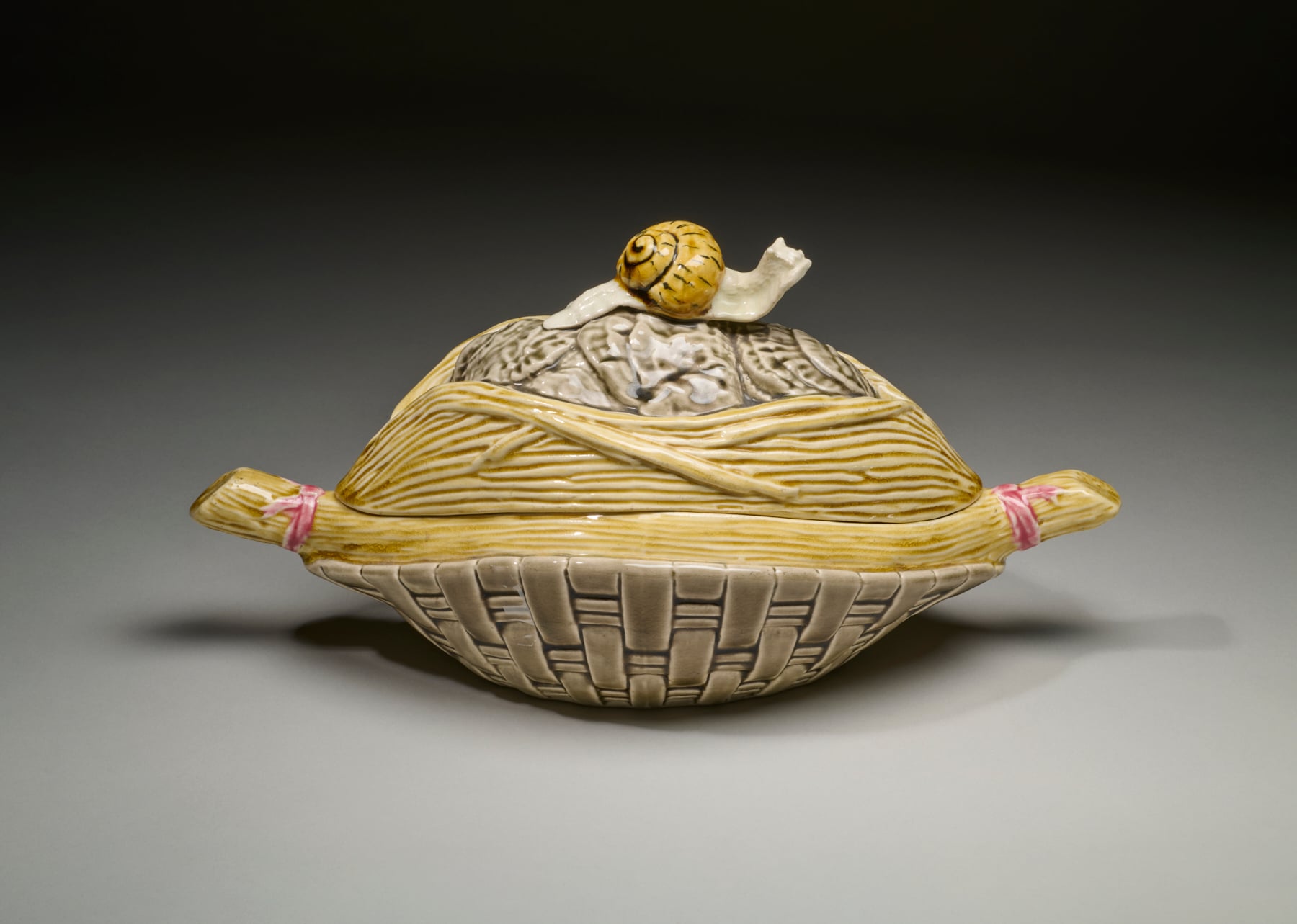
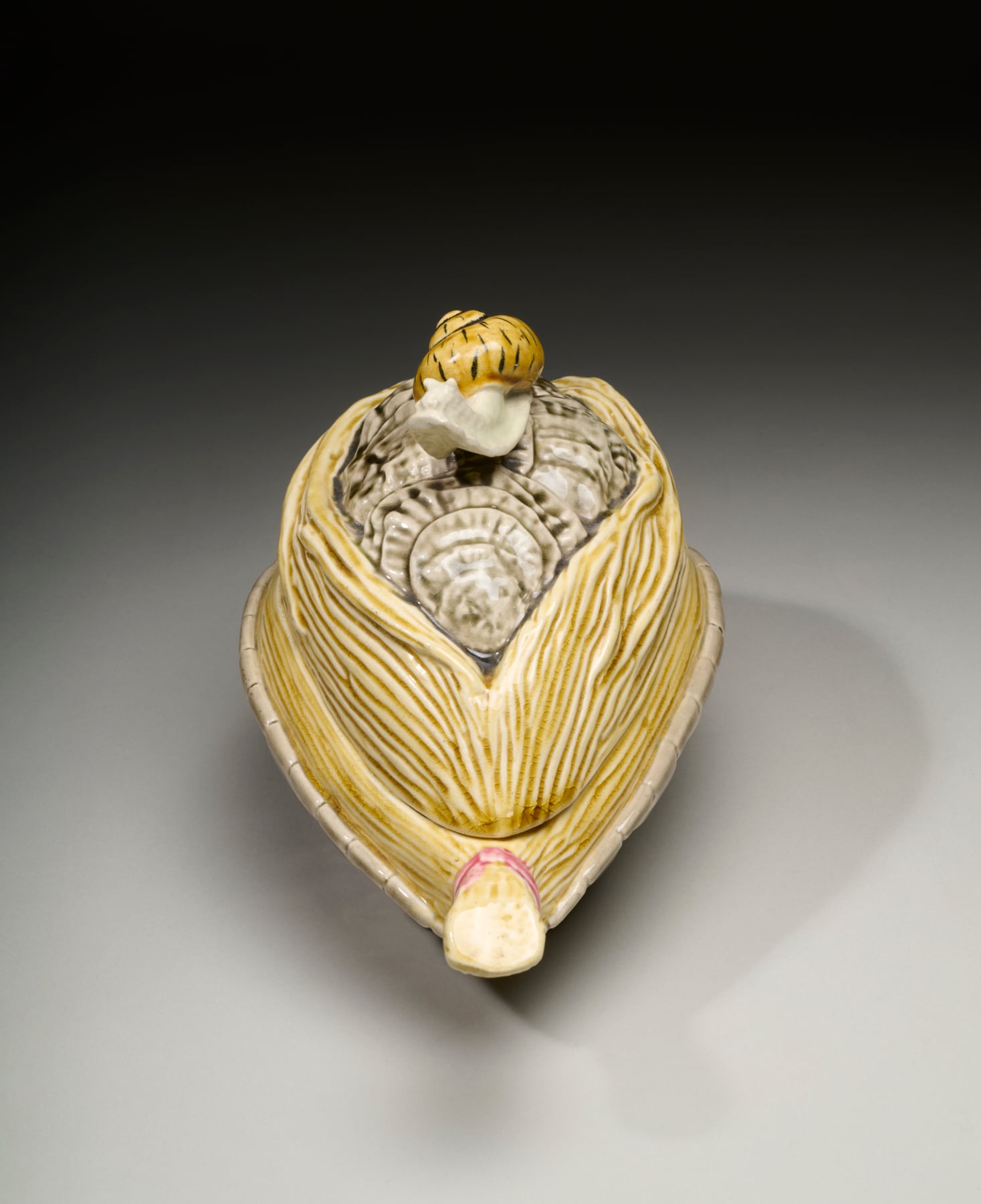
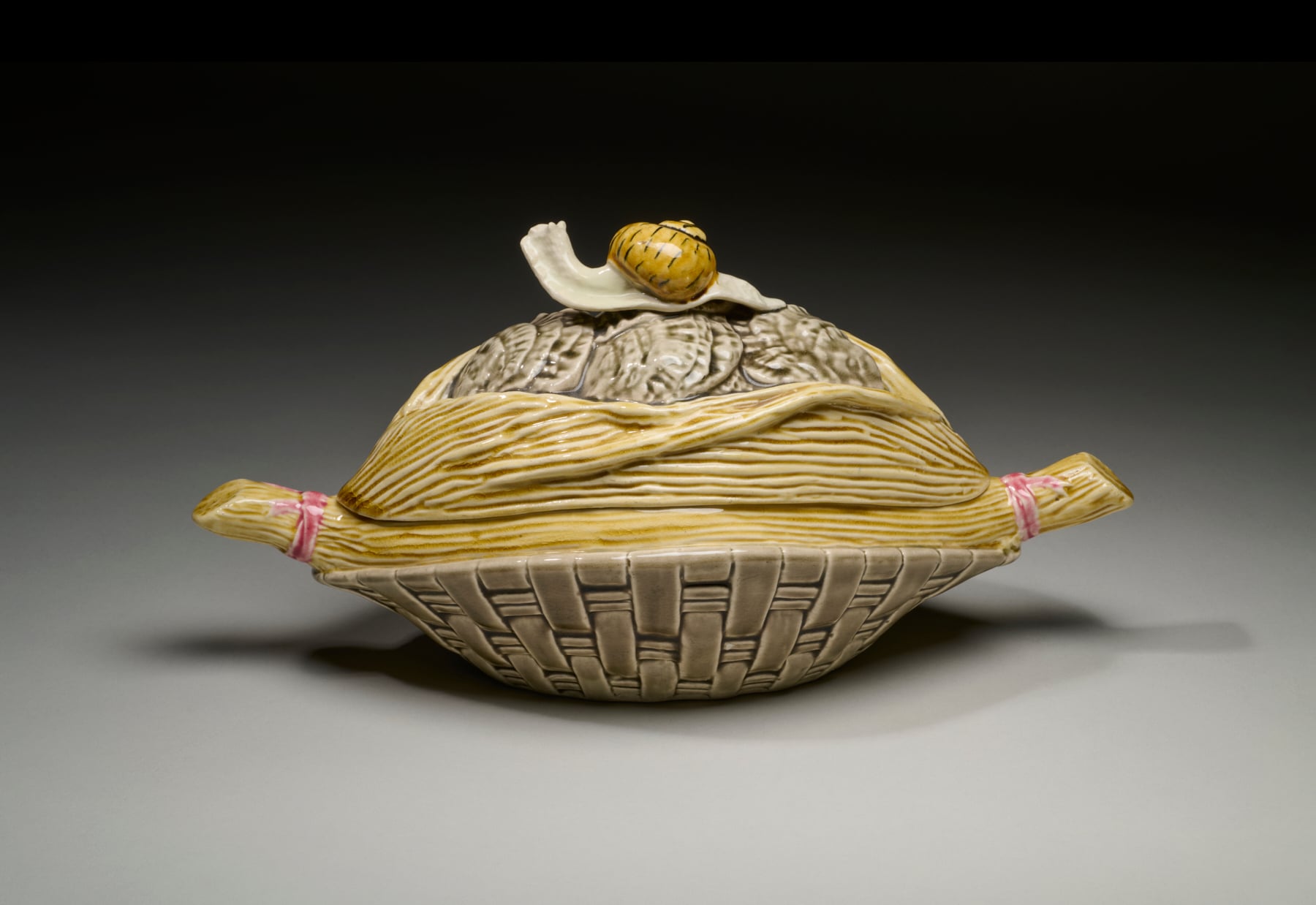
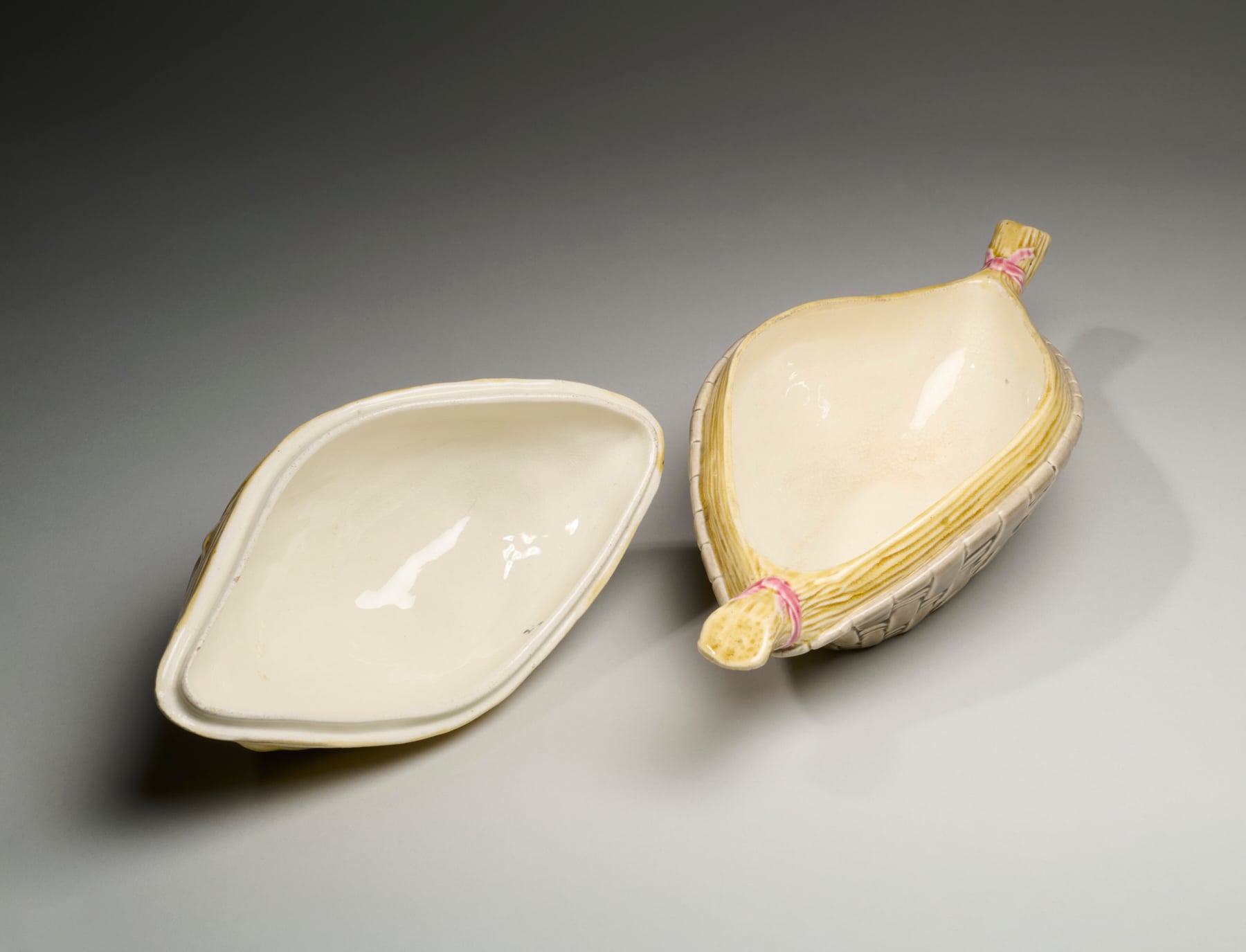
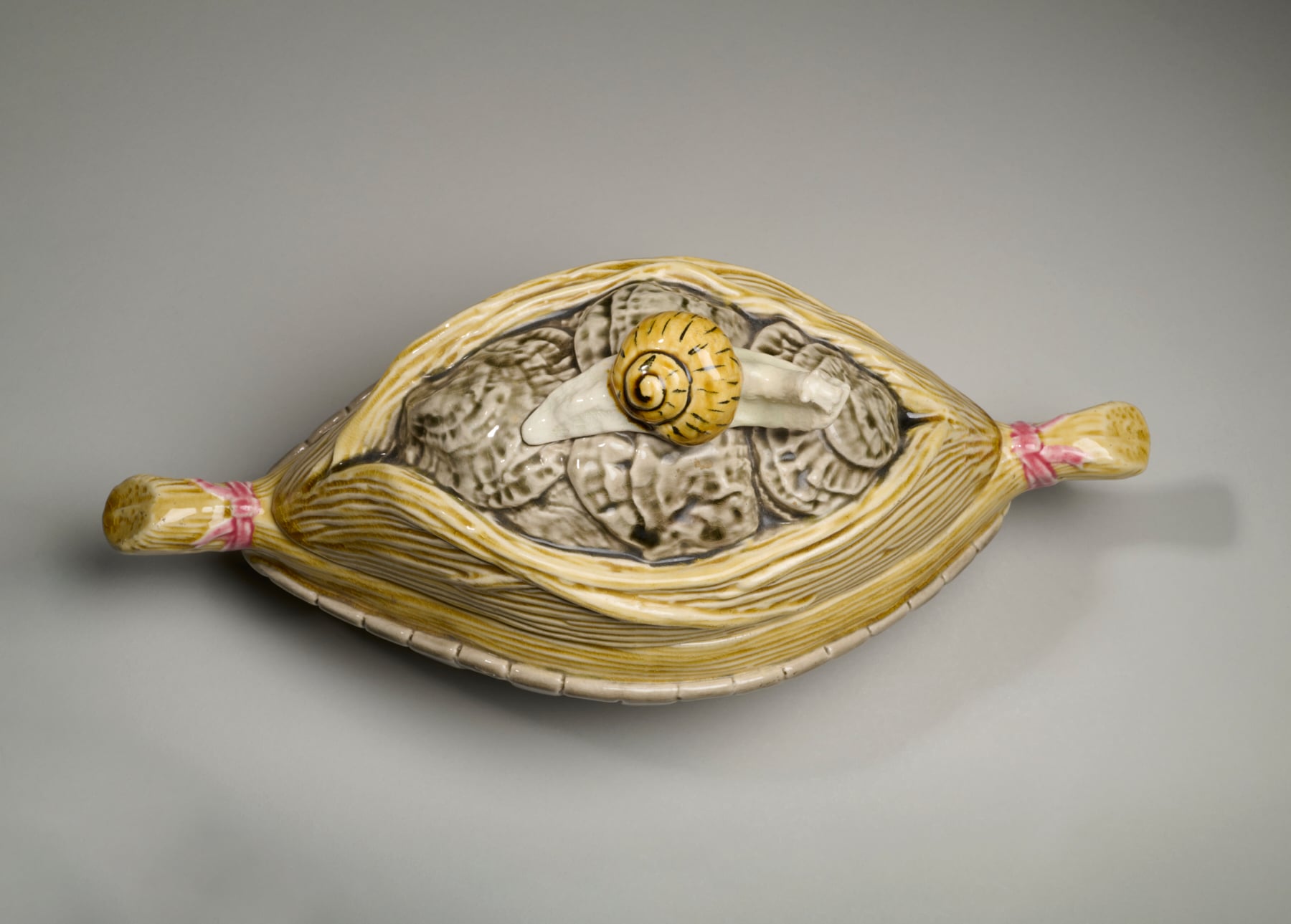
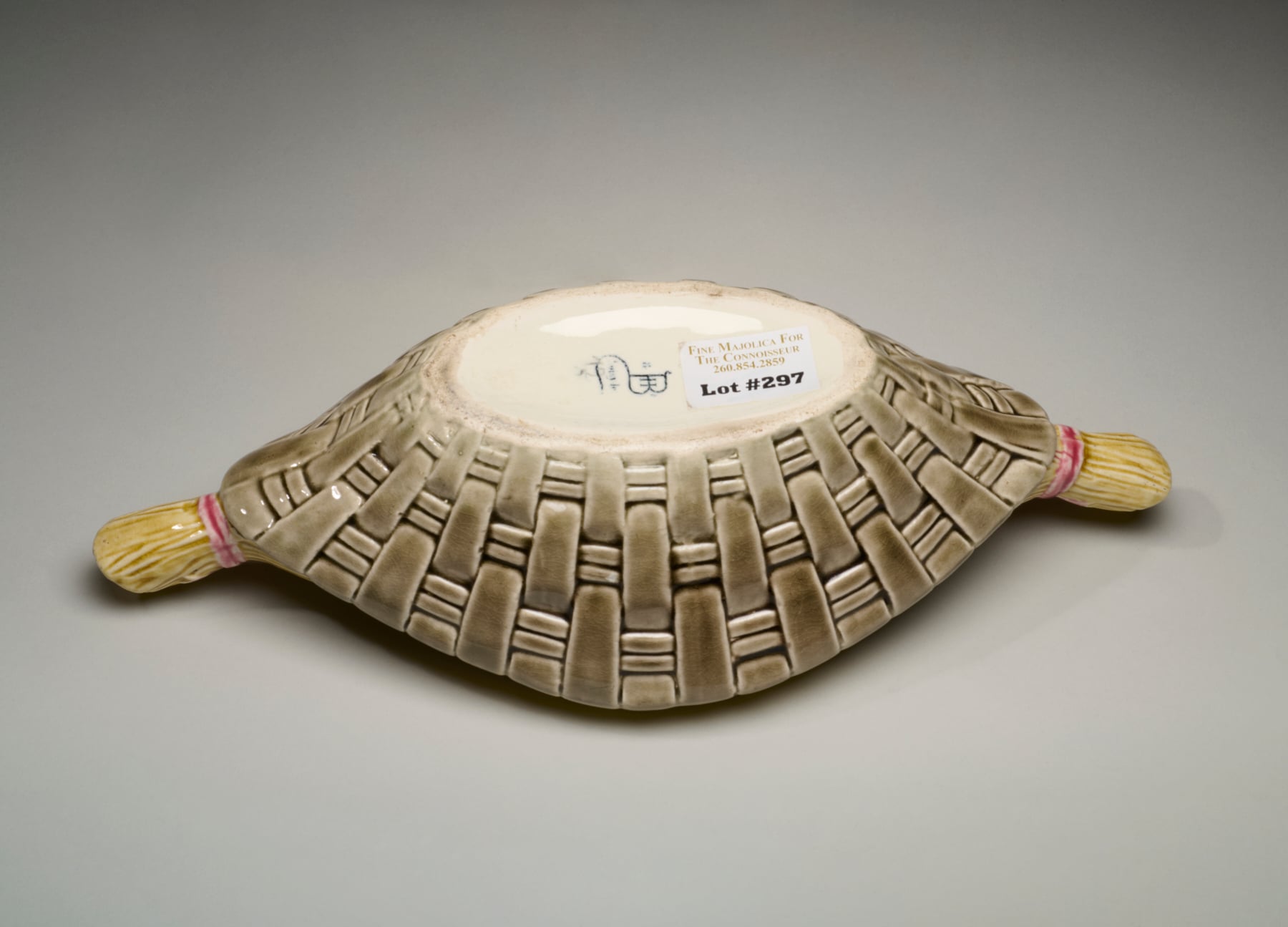
In 1863, Hippolite Boulanger (1836-1892) took over the family pottery at Choisy-le-Roi. Under his leadership, the company created some of its most ambitious and acclaimed work. This dish, with its snail finial, owes a lingering debt to the works of Renaissance potter Bernard Palissy (1510-1590), who created ceramic works elaborately decorated with invertebrates, amphibians, and reptiles cast from life. At the same time, this dish participates in the trend for serving dishes decorated to evoke their contents and create a feast for the eyes. Molded in the shape of an oyster basket, this dish was almost certainly intended to serve seafood. In the late nineteenth century, advancements in food preservation and shipping drastically altered the dining customs and diets of the middle class and led to a craze for fresh and canned oysters. Inexpensive due to their abundance, oysters were widely praised as a cheap and nutritious food, and the public appetite for oysters was met with industrial dredging techniques that led to overharvesting. Whether this dish was used to serve fresh or canned seafood, its shape playfully gives the impression of a basket of oysters freshly purchased at market.
Inscription
Provenance
Provenance (from the French provenir, 'to come from/forth') is the chronology of the ownership, custody, or location of a historical object. Learn more about provenance at the Walters.
Strawser Auction Group, Hatfield, Pennsylvania, “Fine Majolica for the Connoisseur,” 22 November 2014, lot 297; purchased by Deborah and Philip English, Baltimore, 2014; given to the Walters Art Museum, 2025.
Measurements
H: 6 3/8 × W: 12 7/8 × D: 5 3/8 in. (16.2 × 32.7 × 13.7 cm)
Credit Line
Gift of Deborah and Philip English, 2025
Location in Museum
Not on view
Accession Number
In libraries, galleries, museums, and archives, an accession number is a unique identifier assigned to each object in the collection.
In libraries, galleries, museums, and archives, an accession number is a unique identifier assigned to each object in the collection.
48.2953