
 Creative Commons License
 Creative Commons License
 Creative Commons License
 Creative Commons License
 Creative Commons License
 Creative Commons License


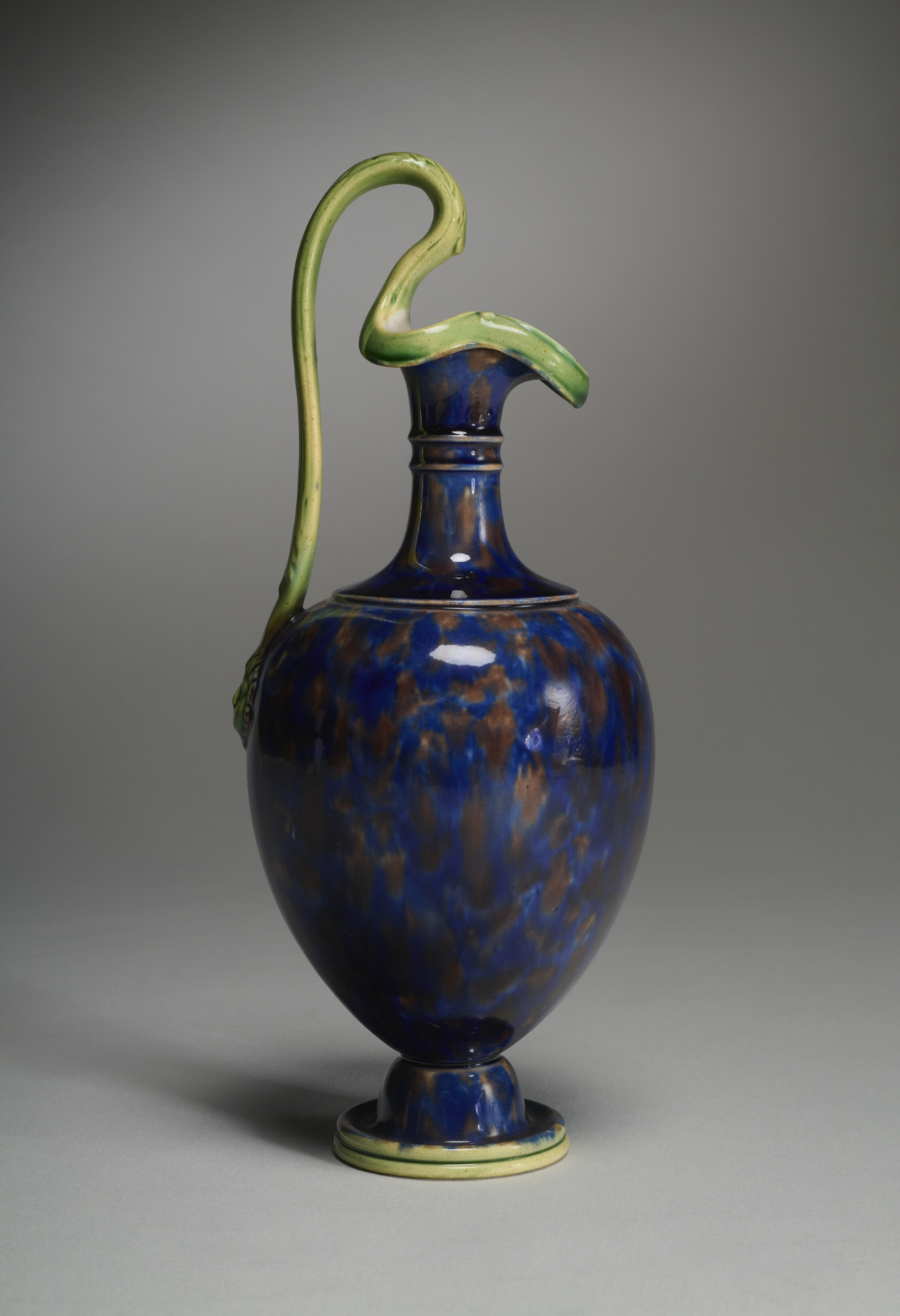
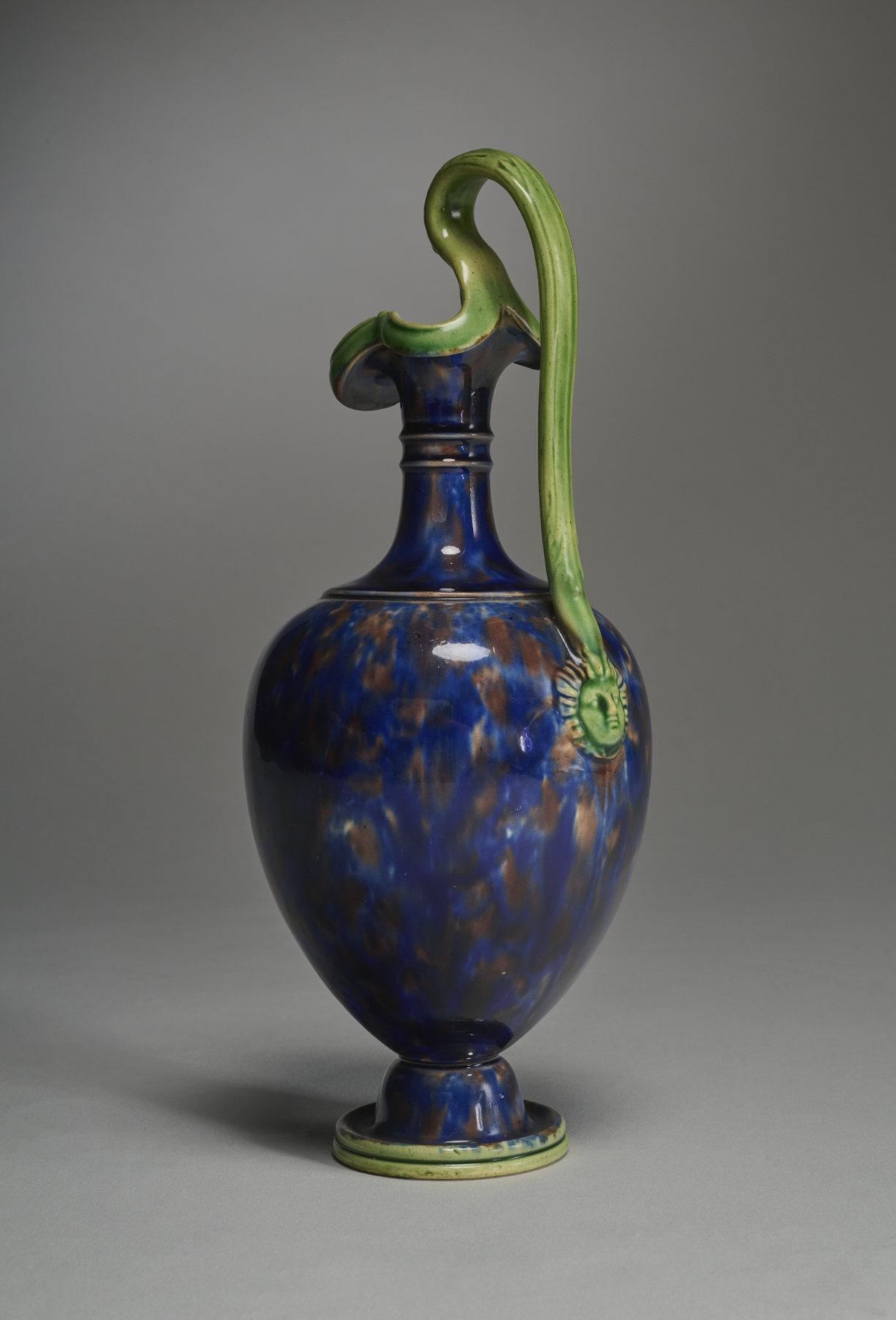
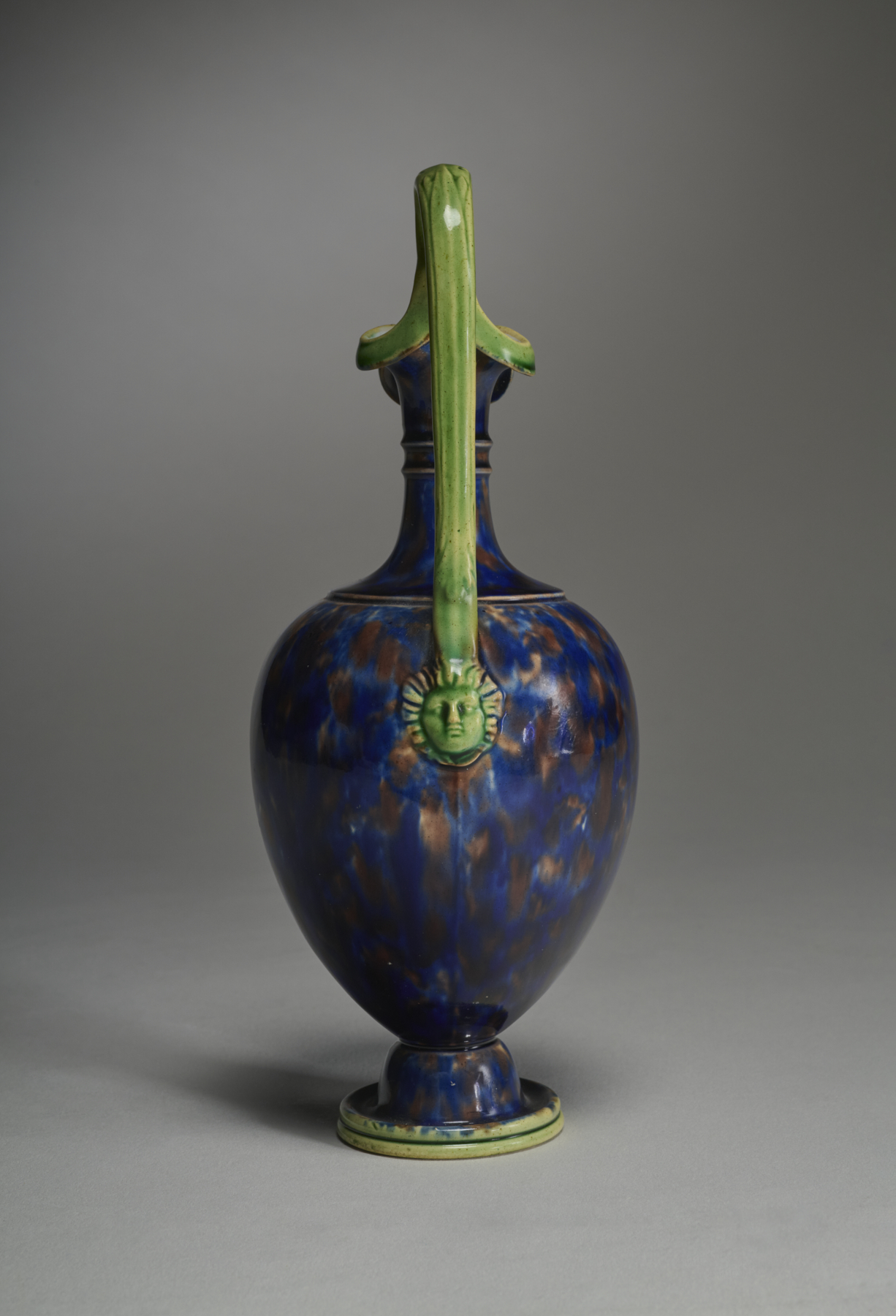
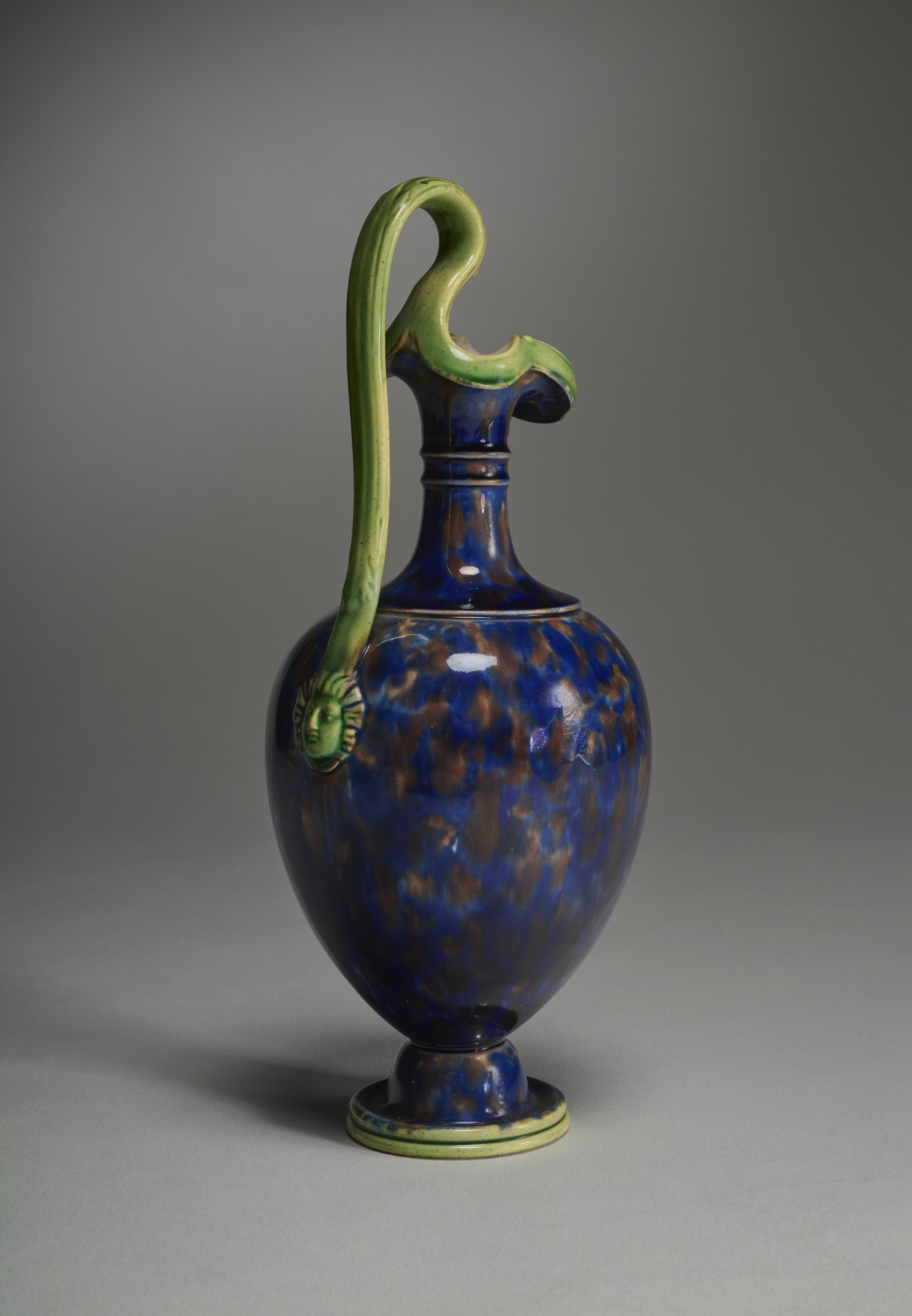
Etruscan Jug, shape no. 634
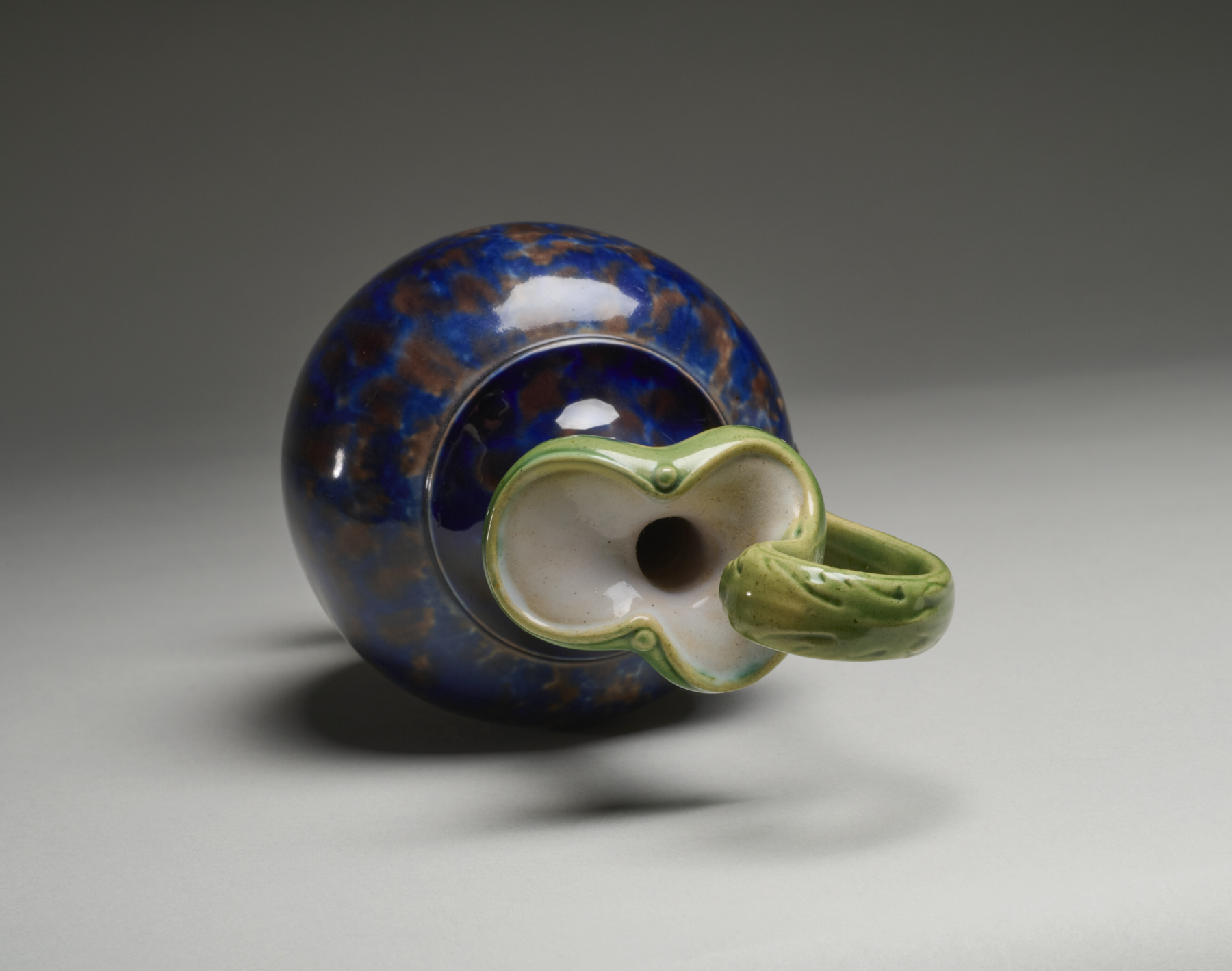
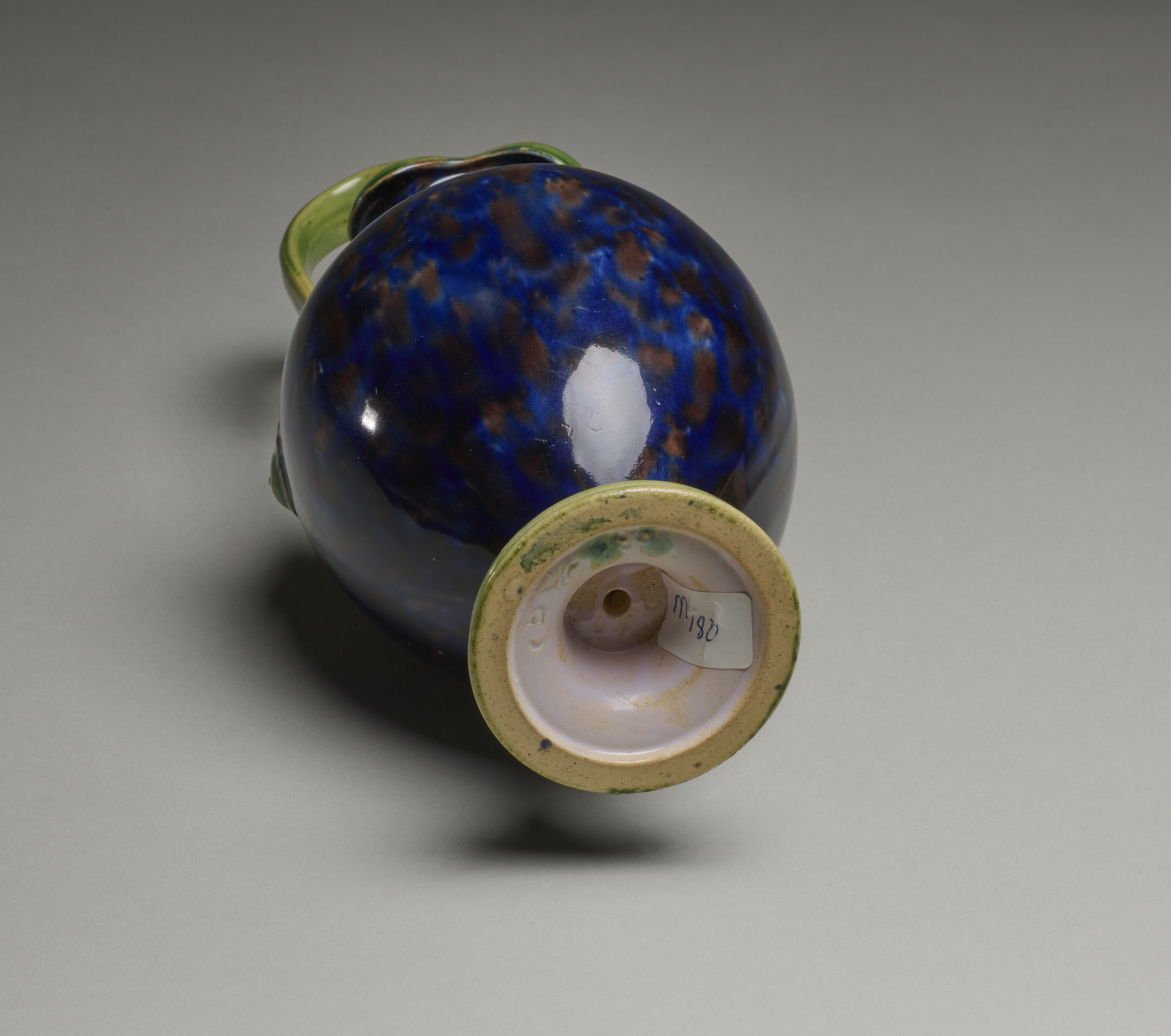
This jug is a testament to the interest in the ancient world that grew during the 19th century and a testament to the wide range of art and objects from which Minton & Co.’s designers took inspiration. Its diminutive but elegant form also underlines this leading British firm’s versatility with its signature medium, majolica, during the first decade of its production--the company introduced this model around 1855, about five years after the company developed majolica. Its relatively austere form is directly inspired by ancient Greek and Roman pouring vessels, or oinochoe. The Minton design was likely intended as a decorative object based on its somewhat diminutive size as well as the high curvaceous foot on which it stands. This can be contrasted with ancient Greek and Roman jugs which were often given a more stable base consistent with their function–to serve wine and other liquids. The ancient inspiration is echoed in the name given to this model by Minton, the “Etruscan Jug”, as is recorded in one of the company’s shape books preserved today in the Minton Archive at the Stoke-on-Trent City Archives. The relatively simple glazing used on this piece echoes its form. This sort of mottled decoration was not employed as extensively by Minton as would be by other subsequent majolica manufacturers, such as Wedgwood.
Inscription
Provenance
Provenance (from the French provenir, 'to come from/forth') is the chronology of the ownership, custody, or location of a historical object. Learn more about provenance at the Walters.
Collection of Deborah and Philip English, Baltimore, by 1998 [date and mode of acquisition unknown]; given to the Walters Art Museum, 2025.
Measurements
H: 8 1/4 × Diam: 3 1/2 in. (21 × 8.8 cm)
Credit Line
Gift of Deborah and Philip English, 2025
Location in Museum
Not on view
Accession Number
In libraries, galleries, museums, and archives, an accession number is a unique identifier assigned to each object in the collection.
In libraries, galleries, museums, and archives, an accession number is a unique identifier assigned to each object in the collection.
48.2956