
 Creative Commons License
 Creative Commons License
 Creative Commons License
 Creative Commons License
 Creative Commons License
 Creative Commons License
 Creative Commons License
 Creative Commons License


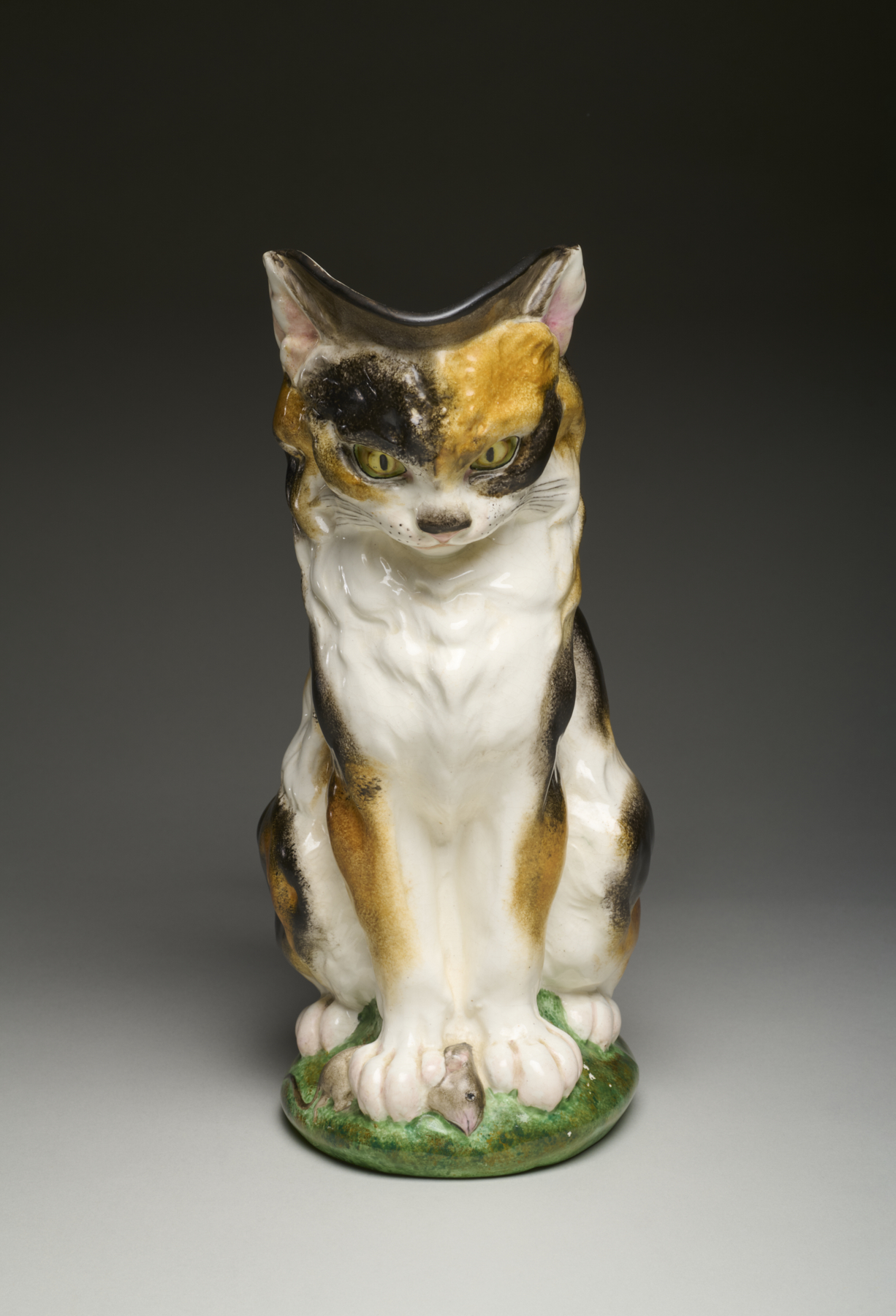
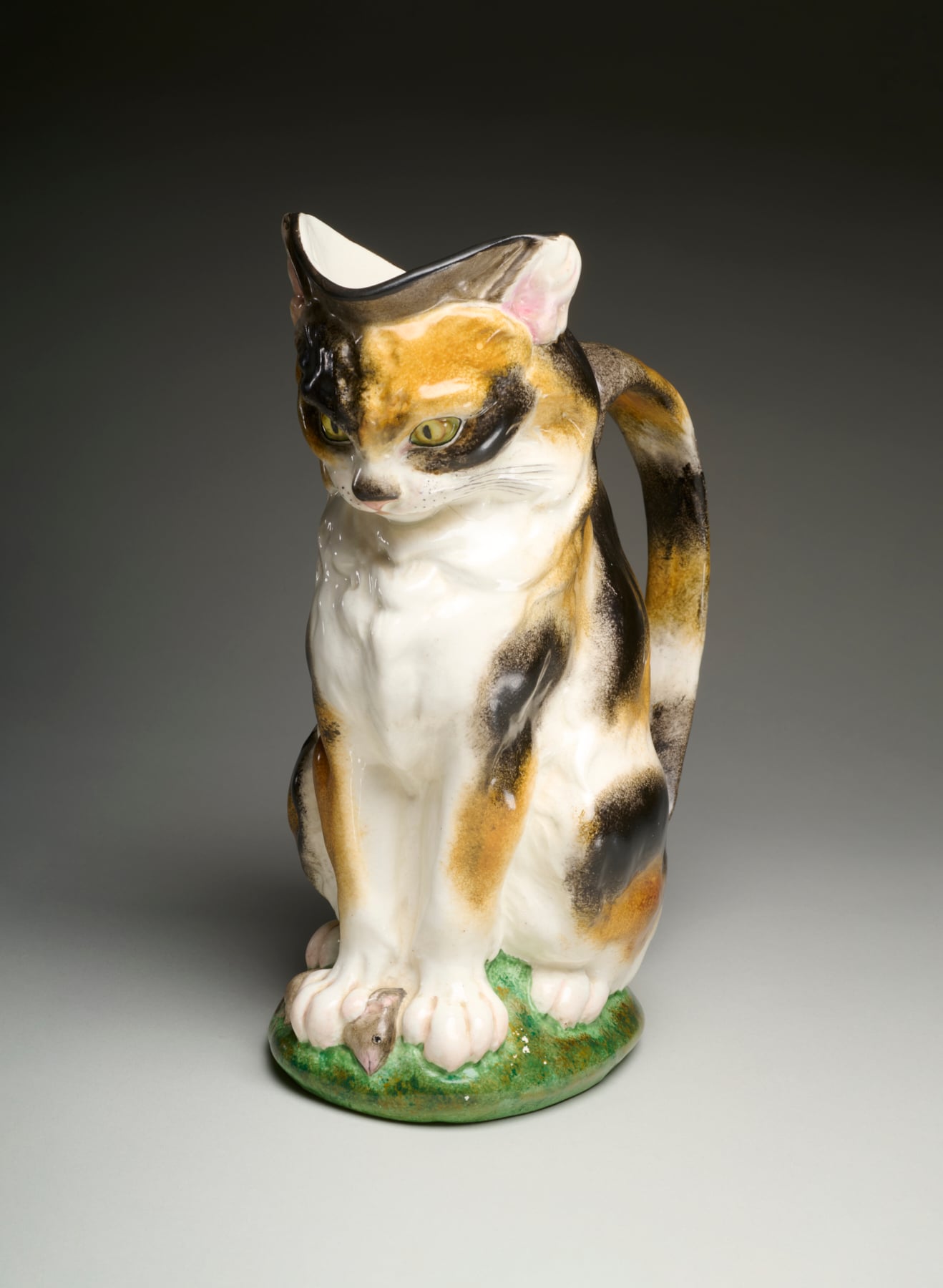
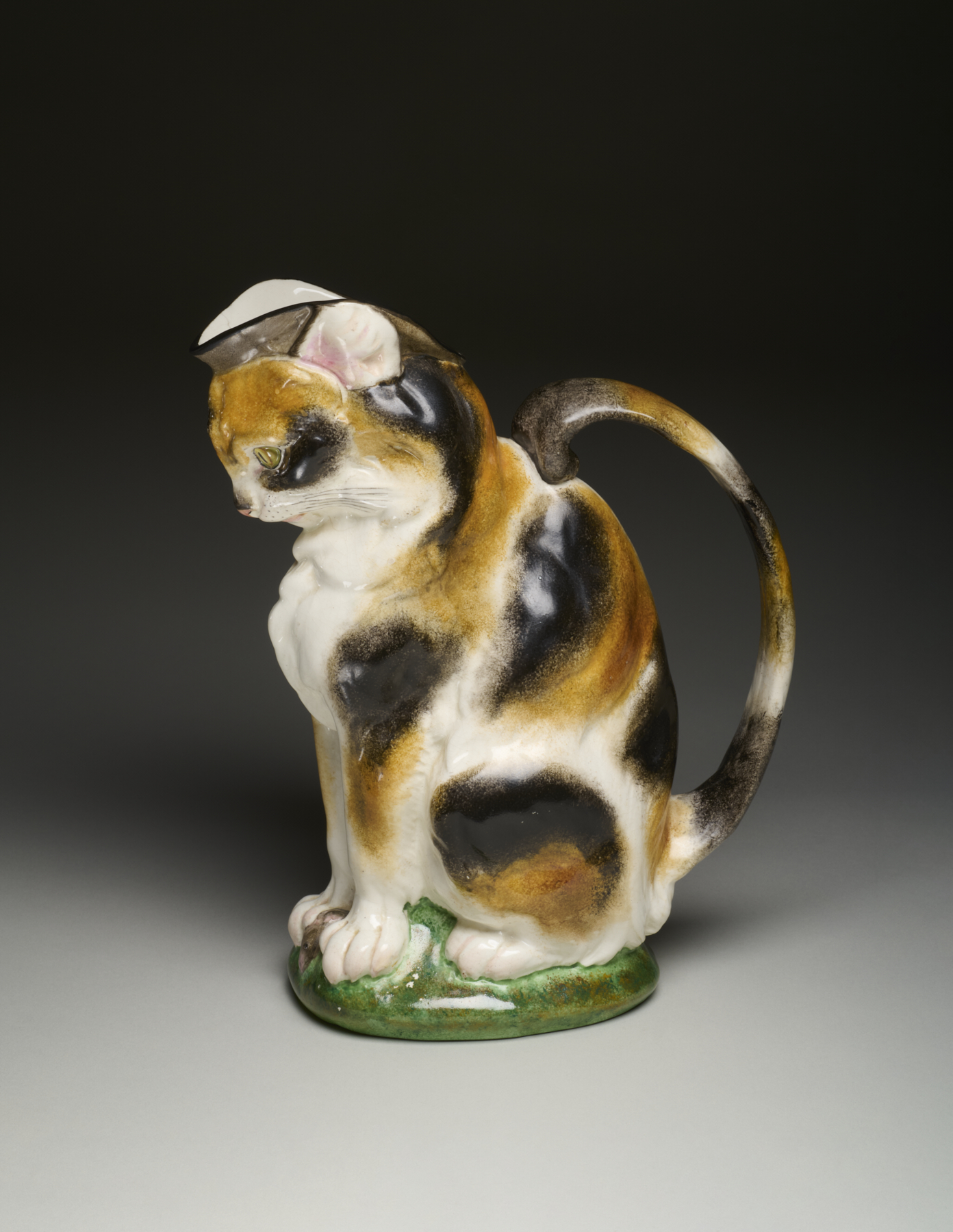
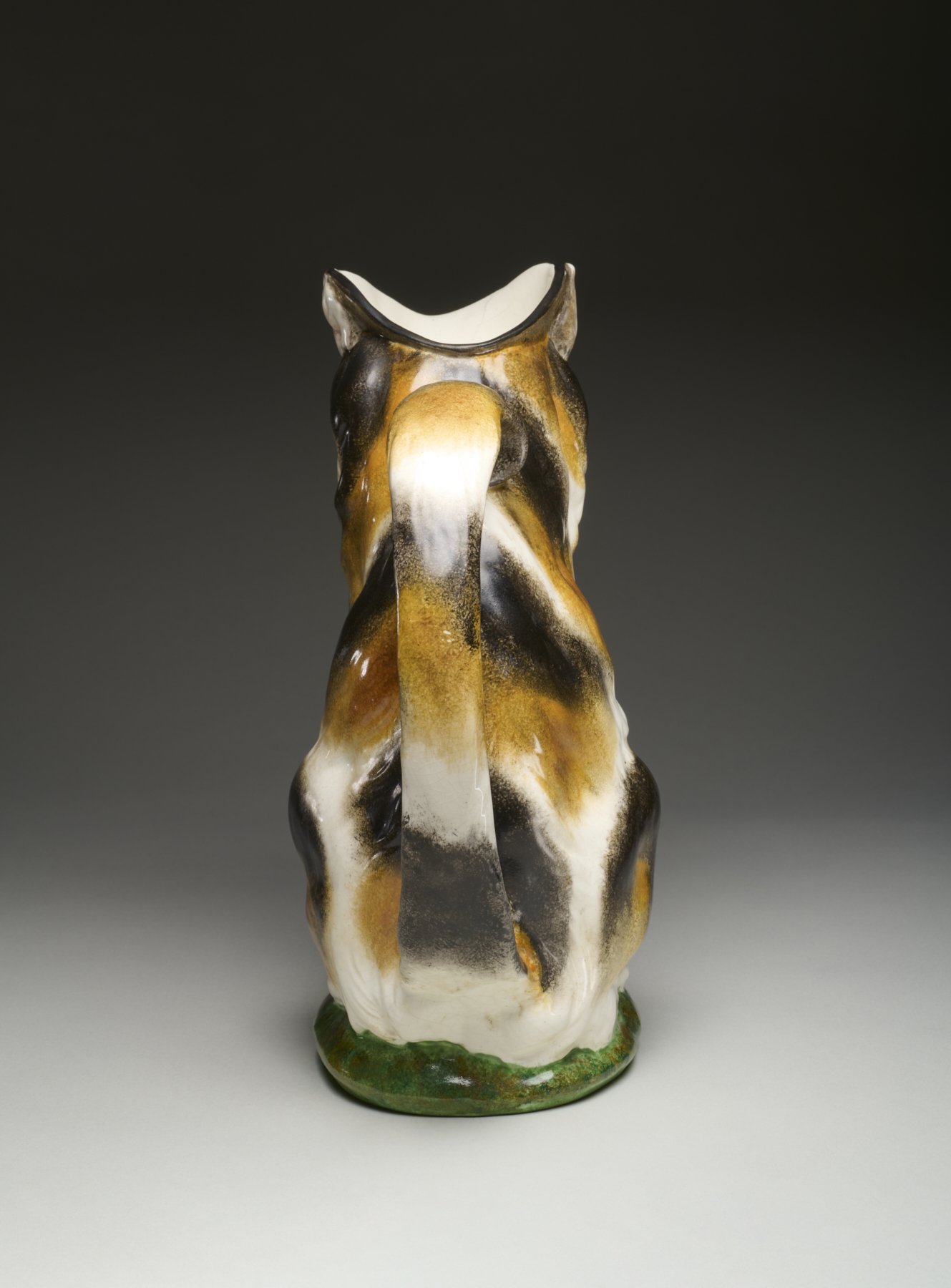
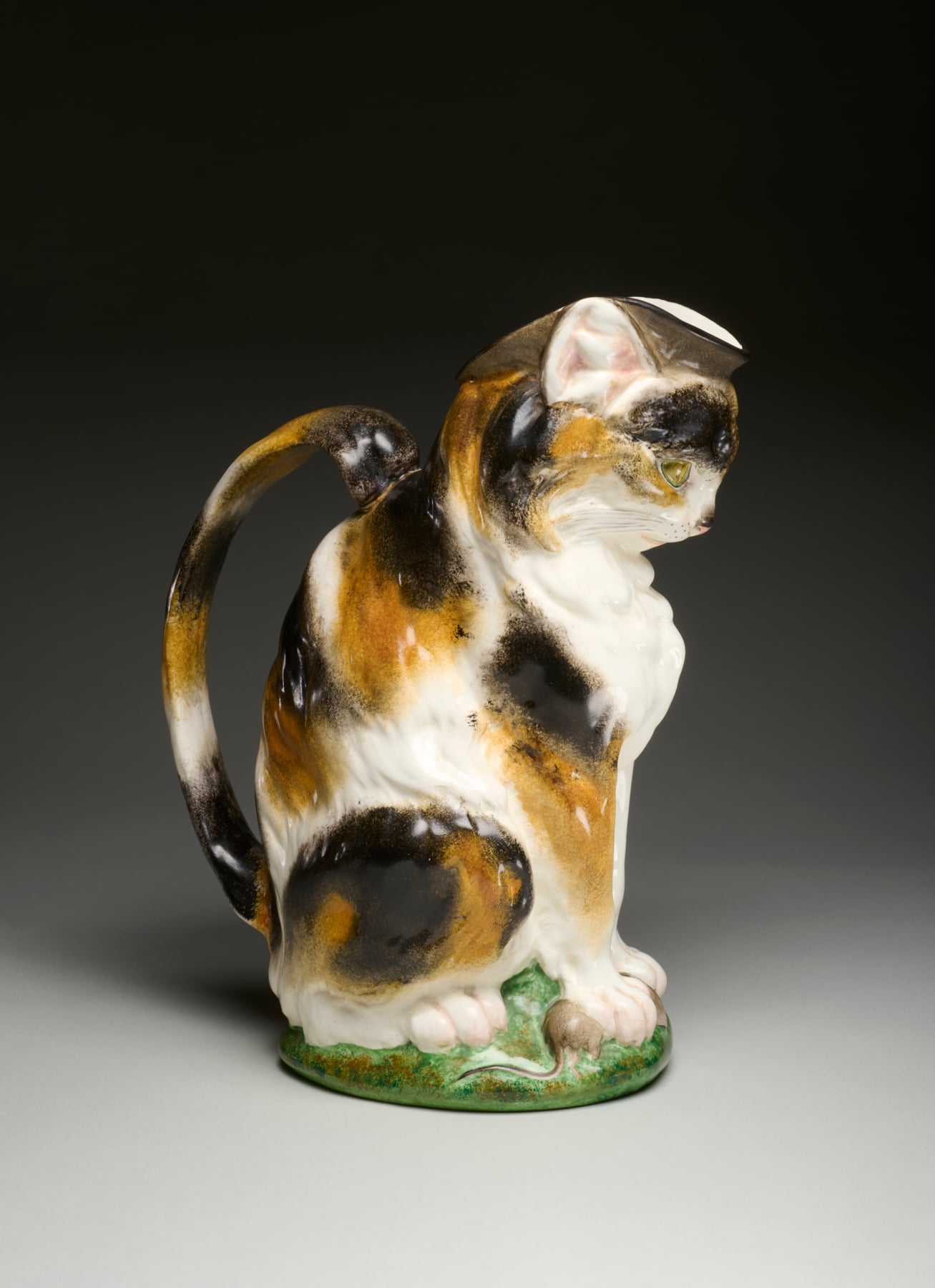
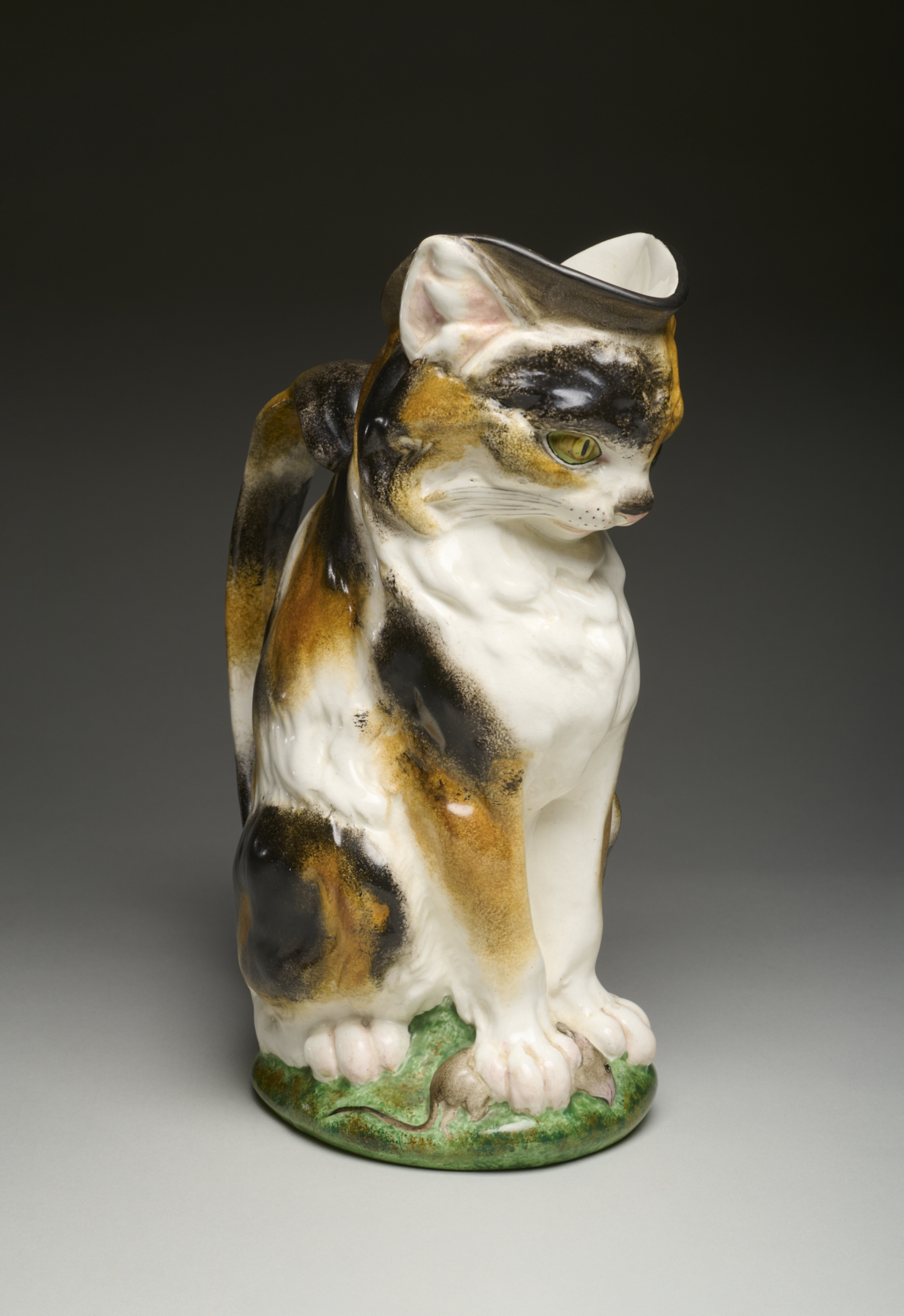
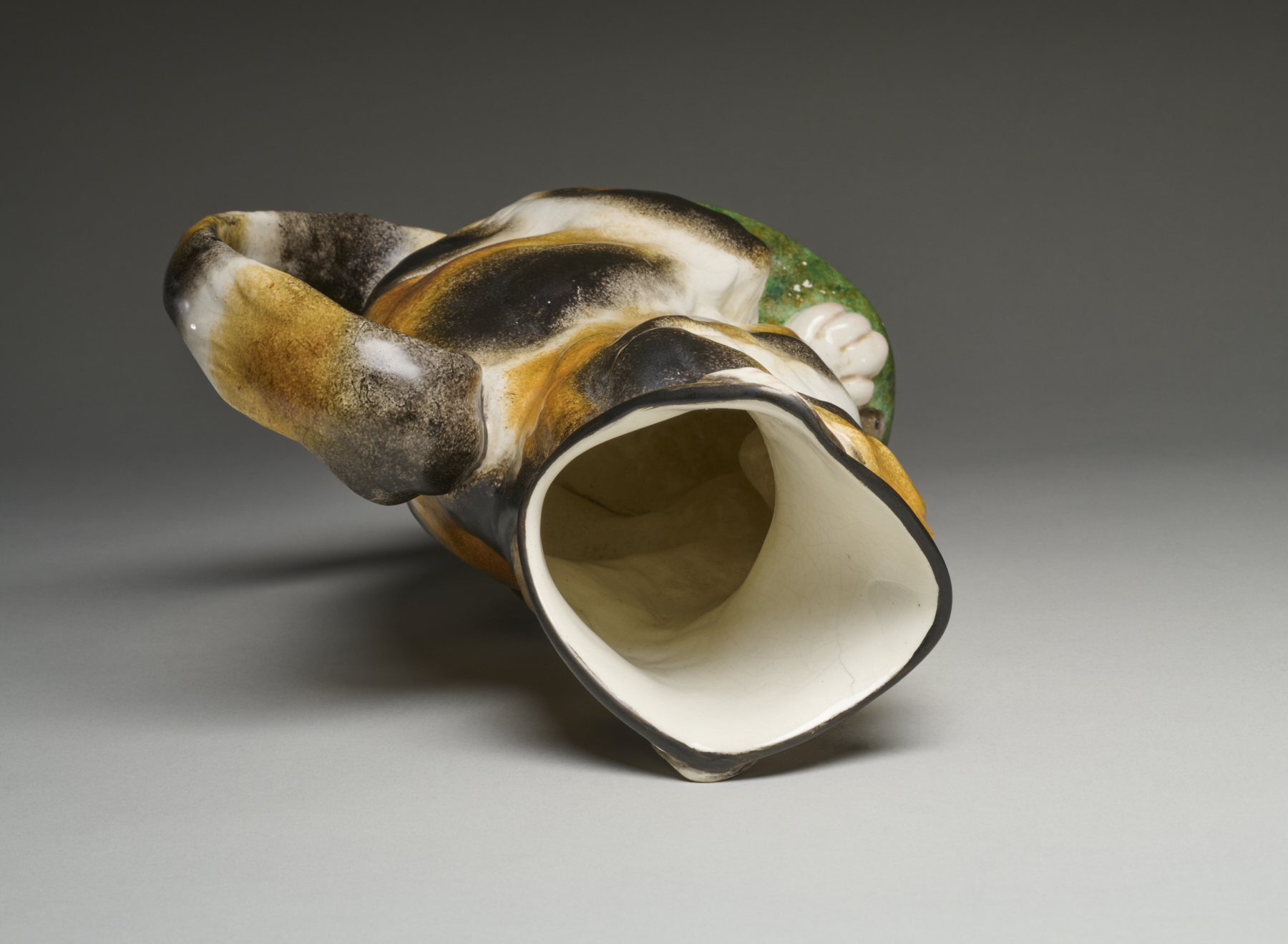
Jug, shape no. 1924
The French artist and designer Paul Comoléra studied under Neoclassical sculptor François Rude (1784–1855) and first exhibited at the Paris Salon in 1847. Much of his sculpture and design work was focused on creating highly realistic depictions of animals, both alive and dead. Between 1873 and 1876, he worked at Minton & Co., where he specialized in such animal models, the most well known being his life-sized peacock perched on a rocky plinth. His were some of the earliest examples of what would become a popular trend in the second half of the 1870s for animals realized in majolica. Comoléra worked from direct observation of the live subjects he kept in his studio—a methodology that, in combination with his artistic skill, resulted in highly lifelike forms. In "Minton: The First Two Hundred Years of Design & Production" (1993), her landmark history of the firm and its productions, Joan Jones related that Comoléra's studio was “occupied by animals, birds, fish, and reptiles, which were brought to be modelled.” Jones also noted that Comoléra’s own much-loved Persian cat was the inspiration for the model considered here.
On his return to France in the late 1870s Comoléra continued to design and realize sculptures of animals in bronze as well as creating models for manufacturers, including potteries like H. Boulenger & Cie. of Choisy-le-Roi. These include dynamic depictions of cockerels, a symbol of France, and a cockatoo about to devour a beetle. Comoléra died in Paris in 1897.
Minton chose to copyright the design for this jug by registering the model with the British Designs Registry on October 10, 1874. This government entity was created by the United Kingdom’s 1839 Designs Registration Act, which protected manufacturers from unauthorized copying of “ornamental” designs that were registered. As part of submitting a design for registration, a manufacturer had to include a “representation” of the design, often a drawing or, as time went on, a photograph, as is the case here. The certificate of registration for this model is preserved in the Minton Archive, Stoke-on-Trent City Archives (SD 1705/MS848).
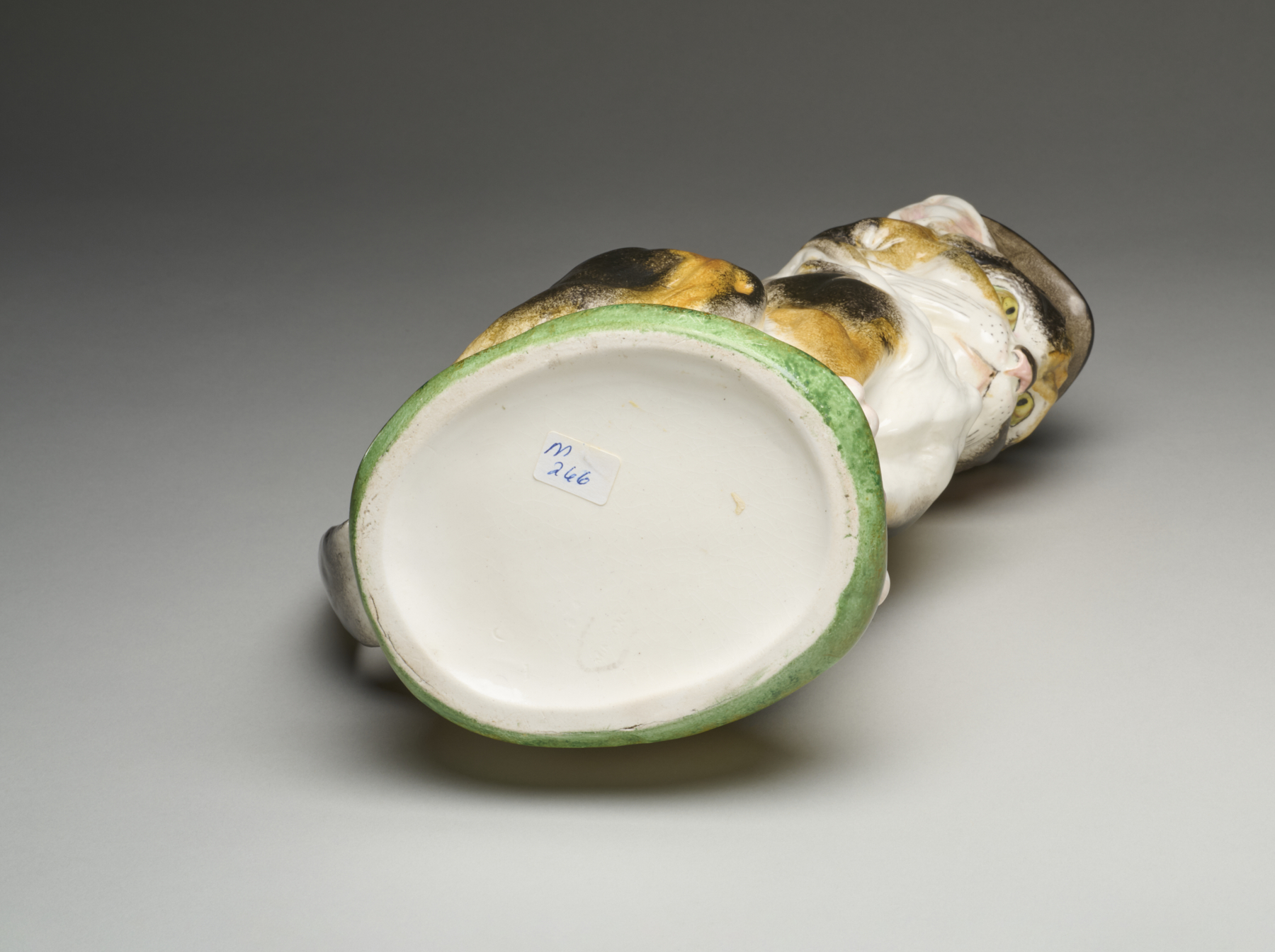
Inscription
Provenance
Provenance (from the French provenir, 'to come from/forth') is the chronology of the ownership, custody, or location of a historical object. Learn more about provenance at the Walters.
With Sylvia Beckerley (antiques dealer), San Carlos, California, by 1996 [mode of acquisition unknown]; purchased by Deborah and Philip English, Baltimore, 1999; given to the Walters Art Museum, 2025.
Measurements
H: 9 7/8 × W: 8 1/4 × D: 4 3/8 in. (25.1 × 21 × 11.1 cm)
Credit Line
Gift of Deborah and Philip English, 2025
Location in Museum
Not on view
Accession Number
In libraries, galleries, museums, and archives, an accession number is a unique identifier assigned to each object in the collection.
In libraries, galleries, museums, and archives, an accession number is a unique identifier assigned to each object in the collection.
48.2989