The Walters Art Museum

Online Collection

Explore the Art Collection keyboard_arrow_down close
  • Explore By...
  • Category
  • Date
  • Medium
  • Creator
  • Places
  • Museum Locations
The Walters Art Museum walters-logo-white
  • Events
  • Art
  • Give Now
  • Visit
    • Plan Your Visit
    • Directions & Parking
    • Tours
    • Guidelines
    • Accessibility
  • Exhibitions
    • Current
    • Upcoming
    • Past
  • What to Do
    • Exhibitions
    • Events
    • Learn
  • Art & Research
    • Our Collection
    • Conservation
    • Journal
    • Manuscripts
    • Publications
    • Provenance
  • Join & Give
    • Support the Walters
    • Partnership
    • Ways to Give
    • Gala & Party
    • Volunteer
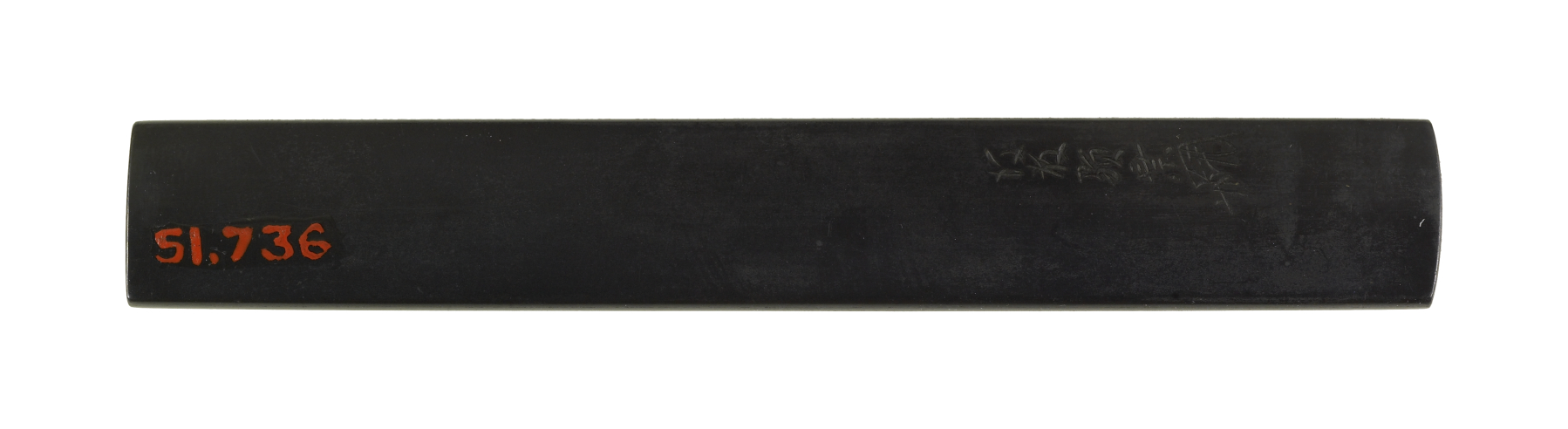
Image for Kozuka with Kadori Myôjin and the Earthquake-fish
tooltip-icon Creative Commons License

Creative Commons Zero

Download Image Zoom
Image for Kozuka with Kadori Myôjin and the Earthquake-fish
tooltip-icon Creative Commons License

Creative Commons Zero

Download Image Zoom
Image for Kozuka with Kadori Myôjin and the Earthquake-fish
tooltip-icon Creative Commons License

Creative Commons Zero

Download Image Zoom
  • arrow_forward_ios
  • arrow_forward_ios
Kozuka with Kadori Myôjin and the Earthquake-fish Thumbnail

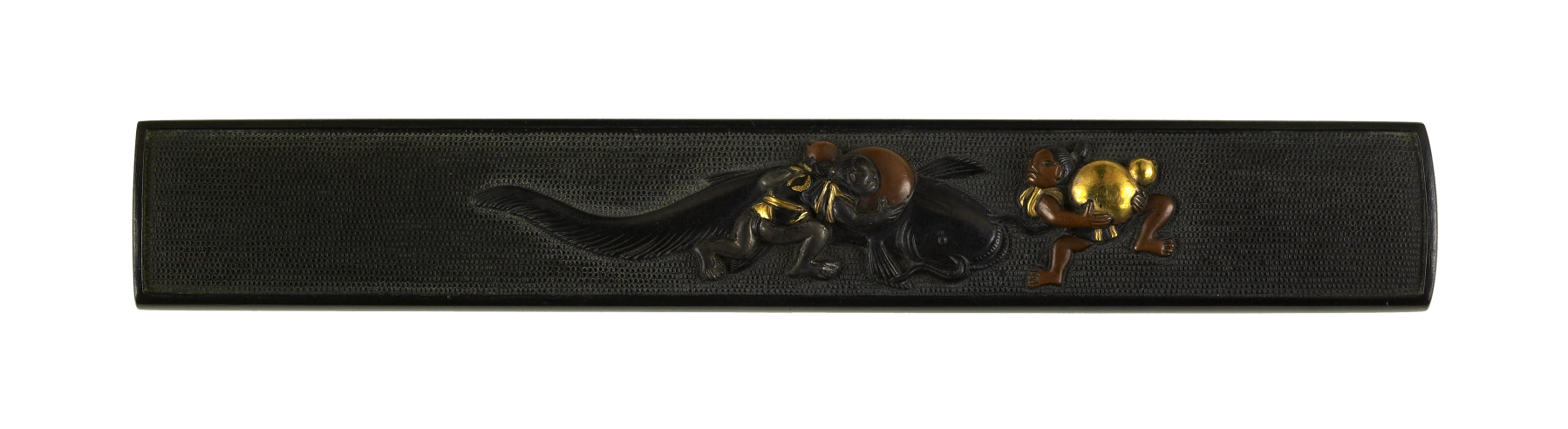
Kozuka with Kadori Myôjin and the Earthquake-fish

Gotô Kenjô (Japanese, 1828-1904) (Artist)
1586-1683 (Muromachi-Edo)
shakudo, details of gold, silver and copper
(Japanese Military Armor)

The earthquake-fish ("namazu") is a large catfish with a body that resembles an eel. It was thought to live underneath the Japanese islands and cause earthquakes by its movements. The god Kadori Myôjin was thought to rub it with a gourd to help keep it quiet. The kozuka shows two figures with gourds attending to the earthquake-fish.

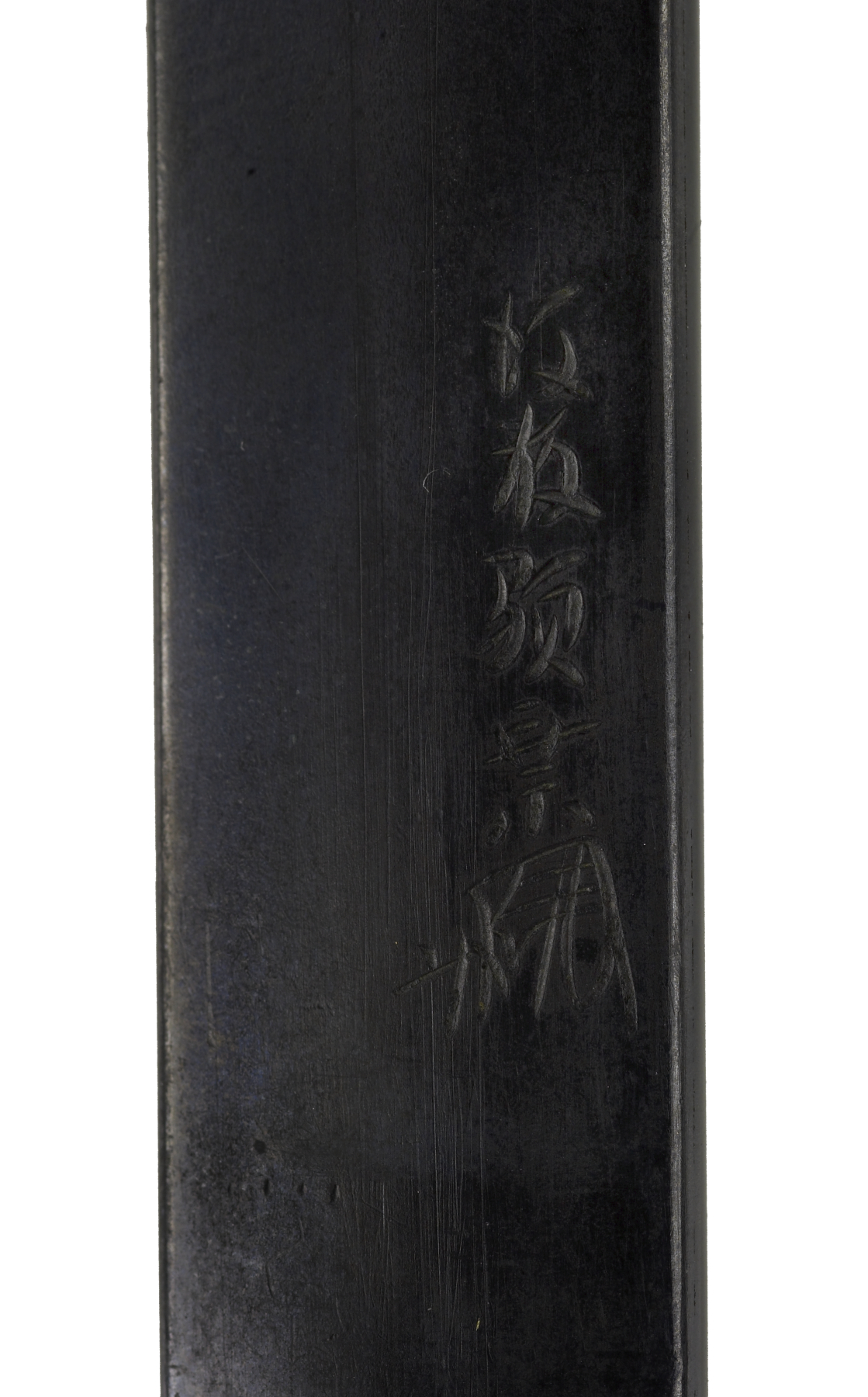
Inscription

[Signature] On kozuka: 後藤顯乘; [Translation] Gotô Kenjô

Provenance
Provenance (from the French provenir, 'to come from/forth') is the chronology of the ownership, custody, or location of a historical object. Learn more about provenance at the Walters.

Henry Walters, Baltimore [date and mode of acquisition unknown]; Walters Art Museum, 1931, by bequest.

Share
  • social-item
  • social-item
  • social-item

Geographies

Japan, Kyoto (Place of Origin)

Measurements

3 3/4 in. (9.5 cm) (l.)

Credit Line

Acquired by Henry Walters

Location in Museum

Not on view

Accession Number

In libraries, galleries, museums, and archives, an accession number is a unique identifier assigned to each object in the collection.

51.736

Do you have additional information?

Notify the curator

The Walters Logo

600 N. Charles St.
Baltimore, MD 21201

+1 410 547 9000

Free. Open Wednesday.
10 a.m.–5 p.m.

  • About
  • Press
  • Donate
  • Newsletter
  • Careers
  • Contact
  • Privacy Policy
  • Copyright Info
Facebook Instagram X YouTube
modal close
Image for
tooltip-icon Creative Commons License

Tooltip description to define this term for visitors to the website.

zoom-btn zoom-btn preview-download
Image for
tooltip-icon Creative Commons License

Tooltip description to define this term for visitors to the website.

zoom-btn zoom-btn preview-download
Image for
tooltip-icon Creative Commons License

Tooltip description to define this term for visitors to the website.

zoom-btn zoom-btn preview-download
  • arrow_forward_ios
  • arrow_forward_ios