 Creative Commons License
 Creative Commons License
 Creative Commons License
 Creative Commons License
 Creative Commons License
 Creative Commons License
 Creative Commons License
 Creative Commons License


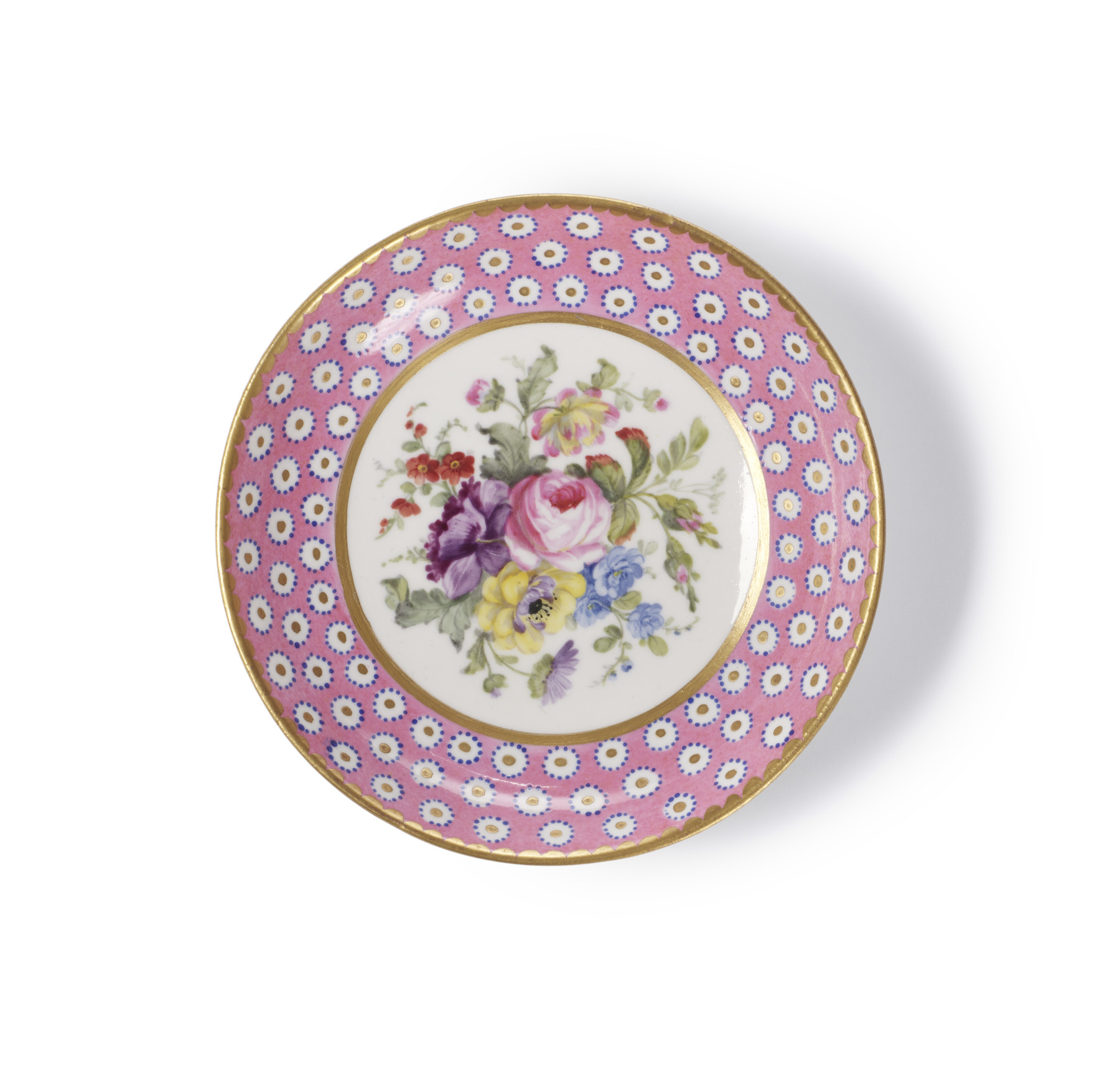
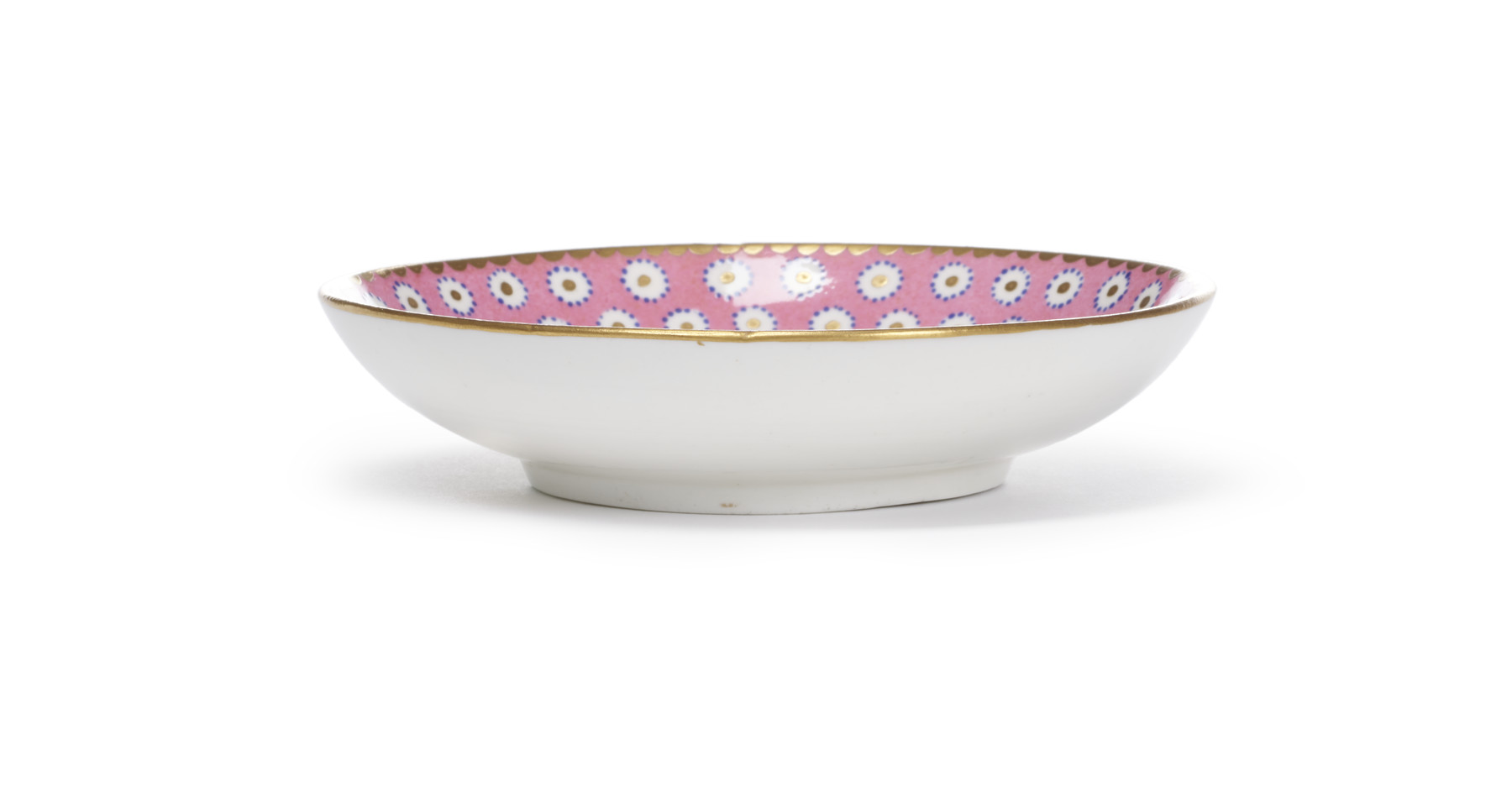
Cup and Saucer
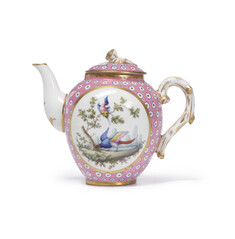
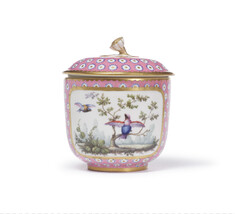
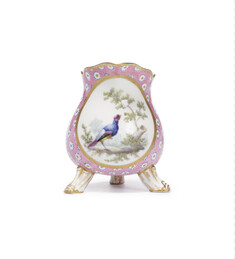
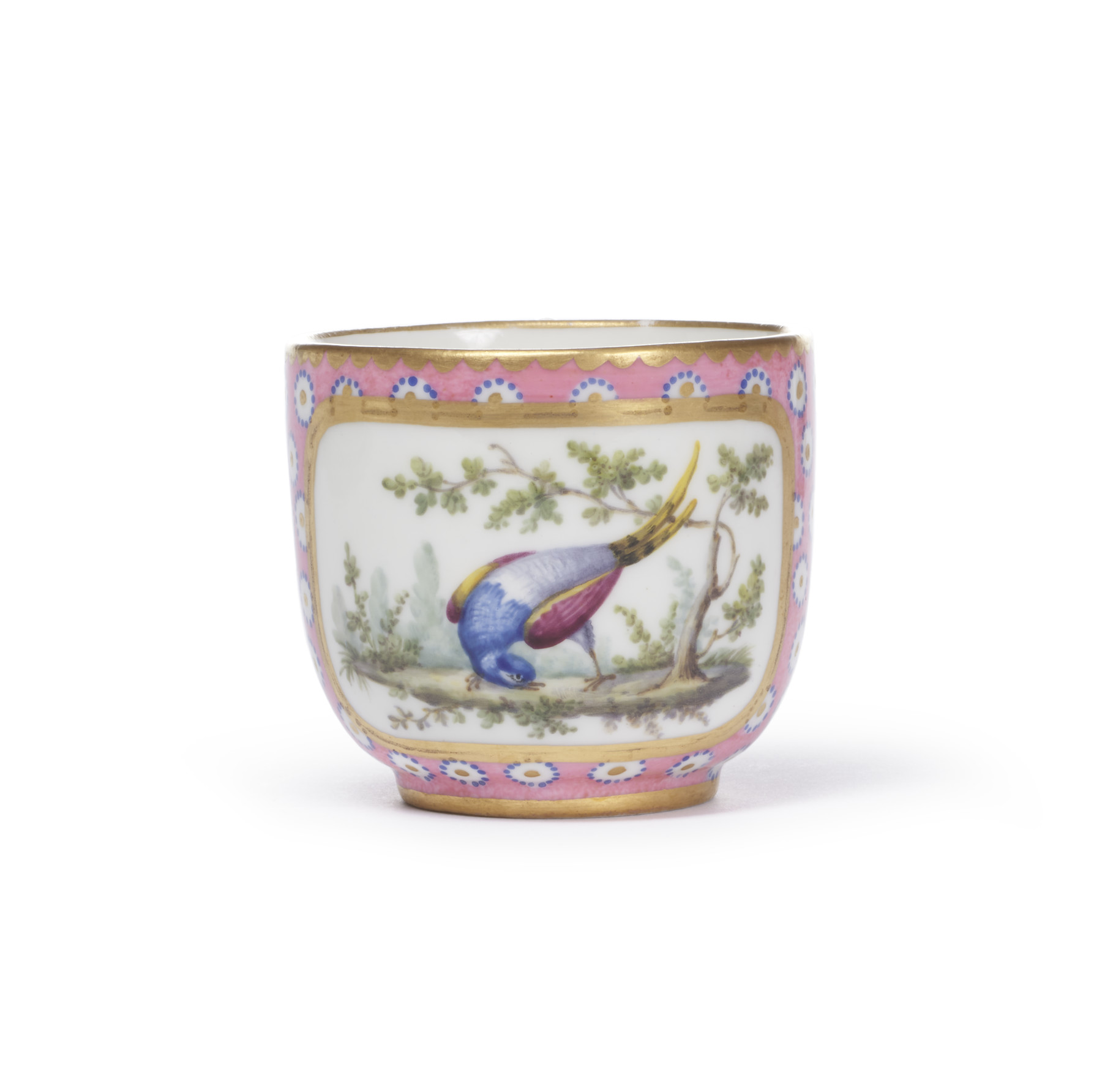
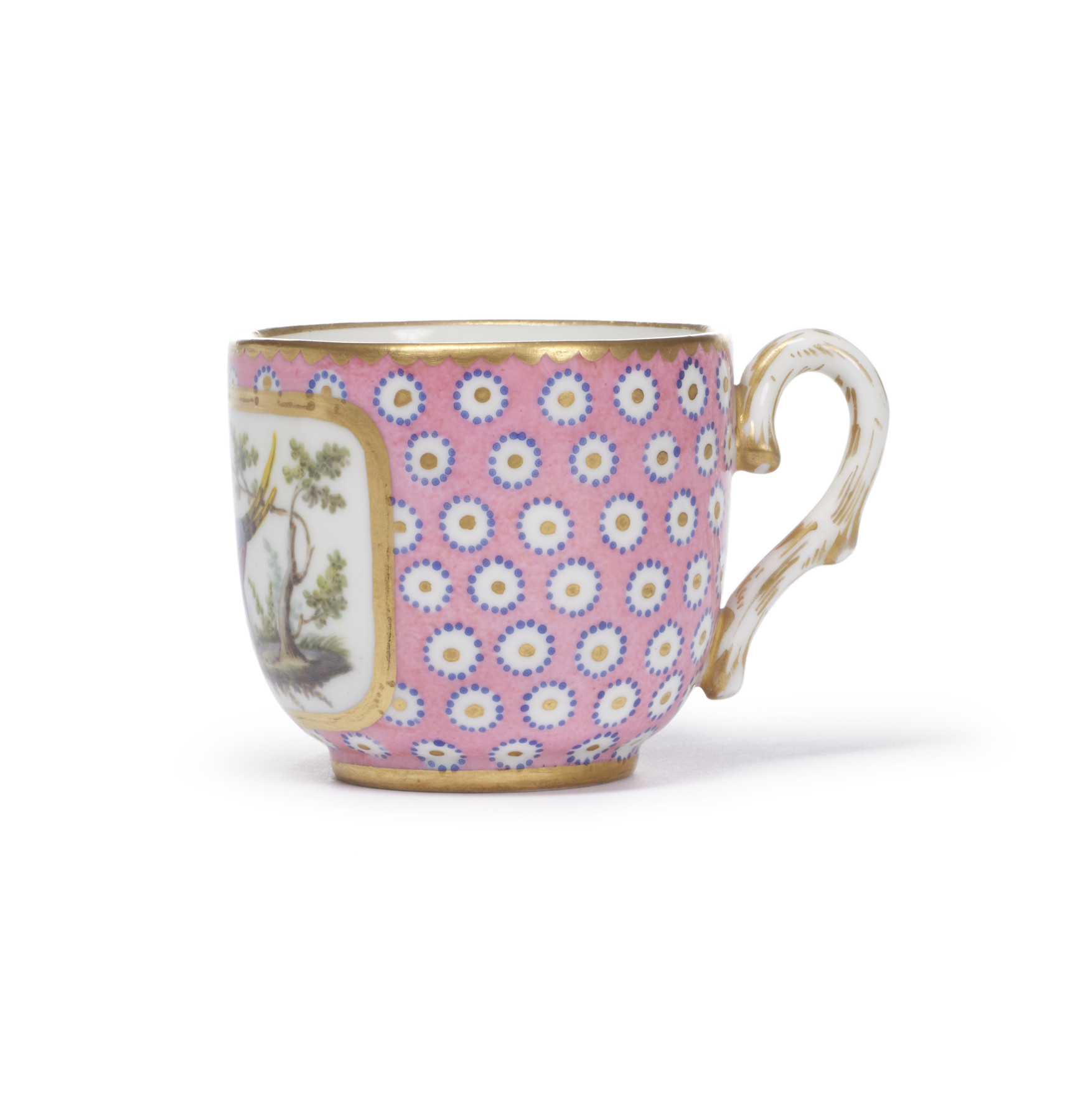
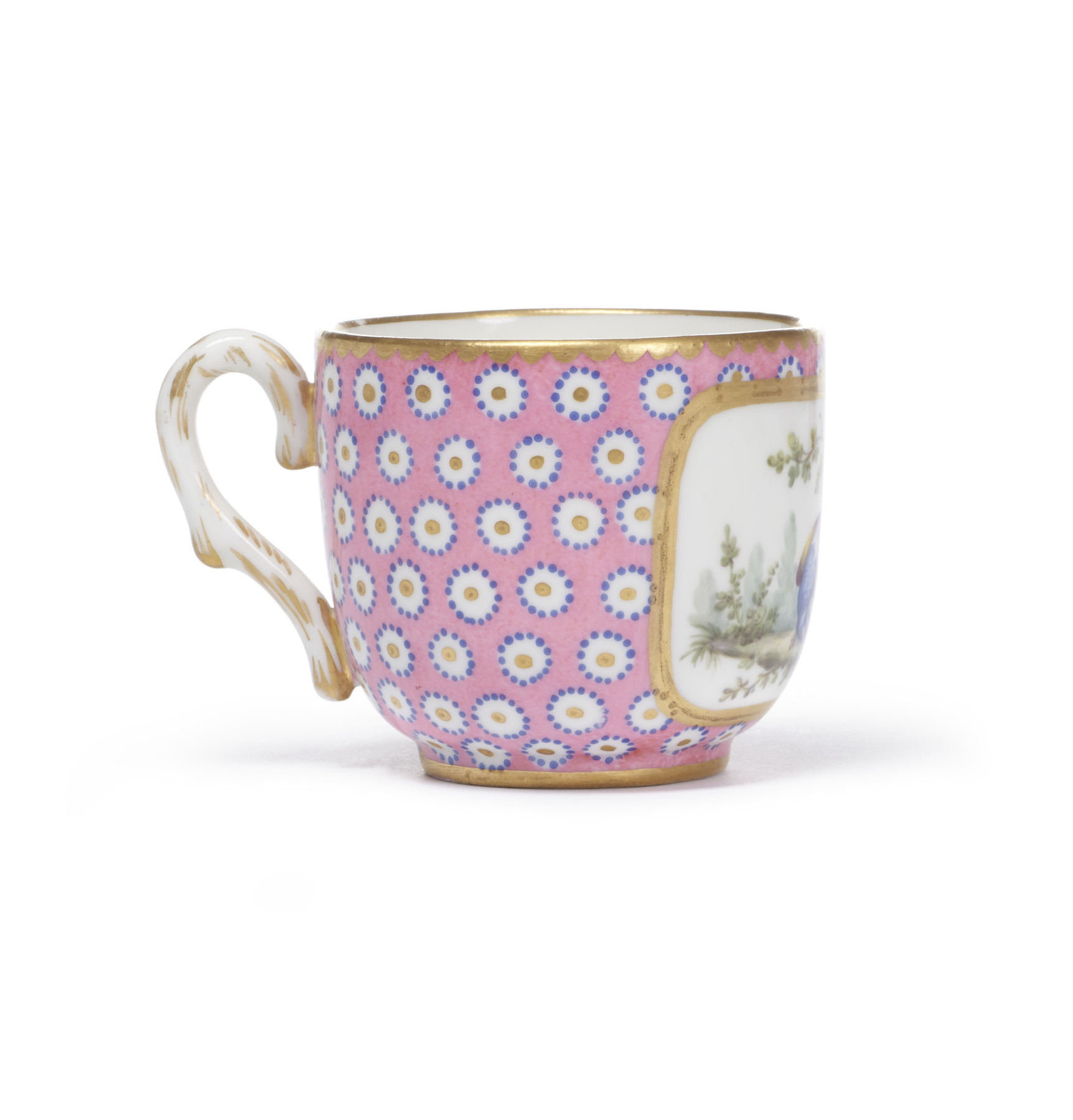
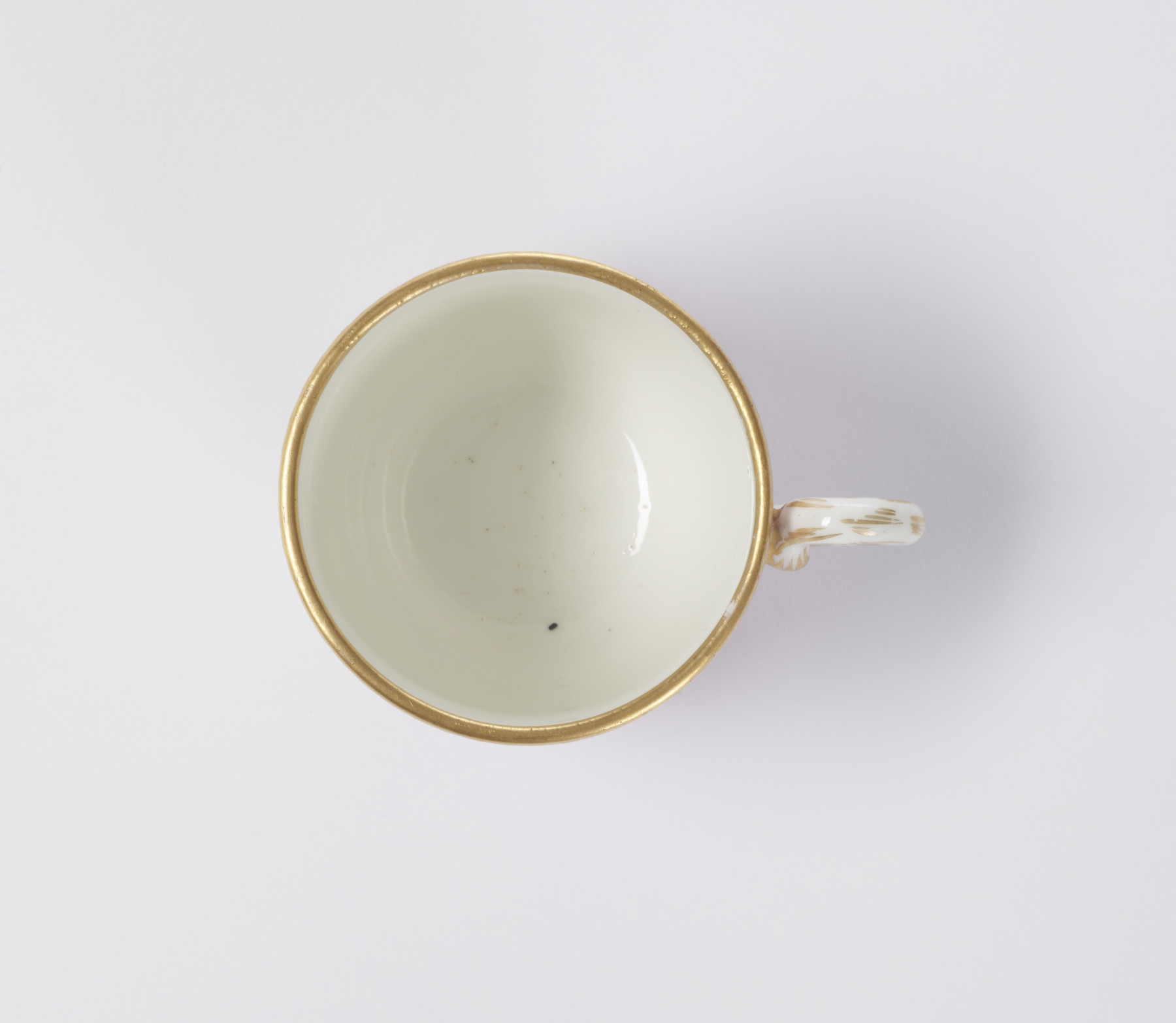
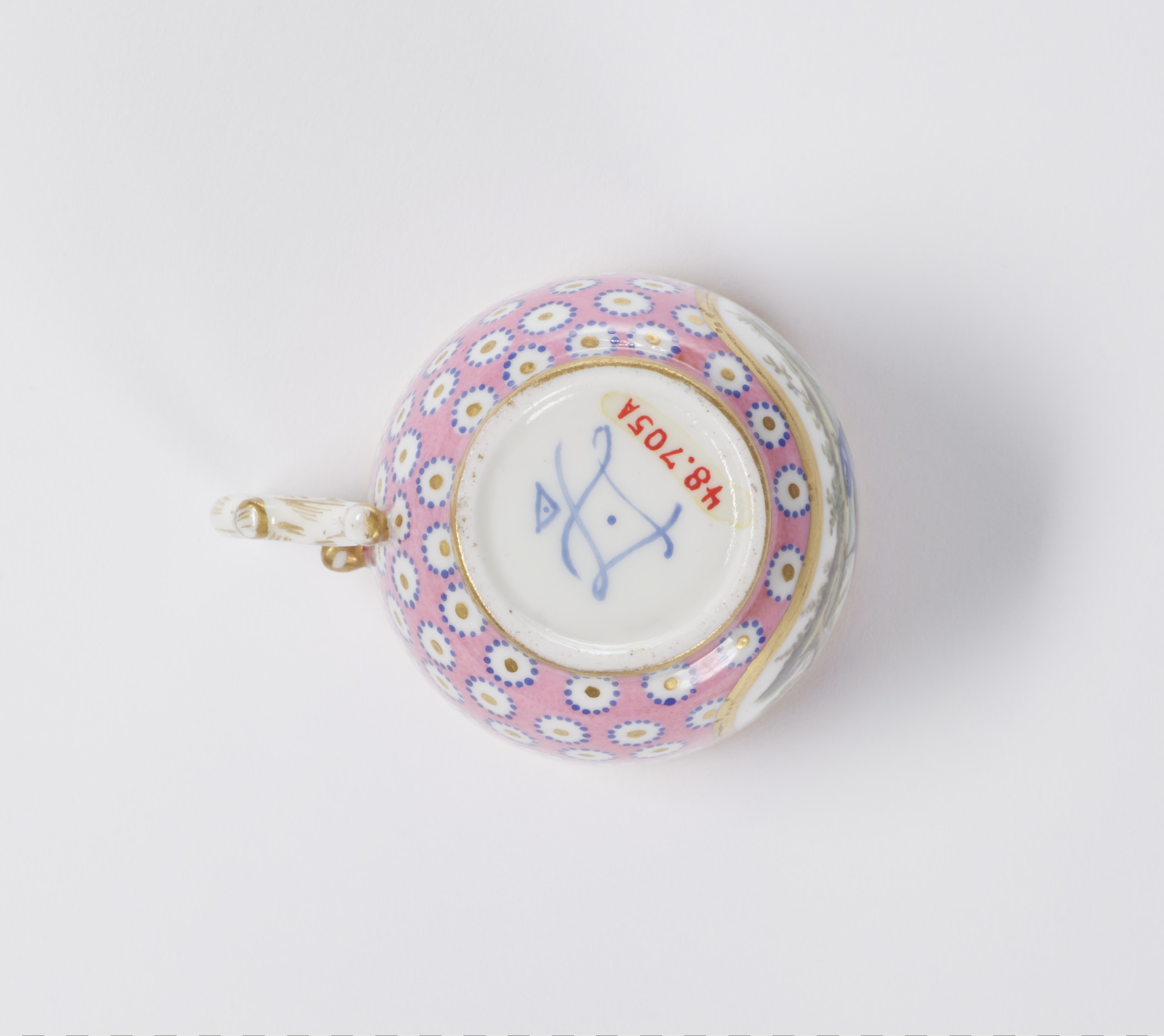
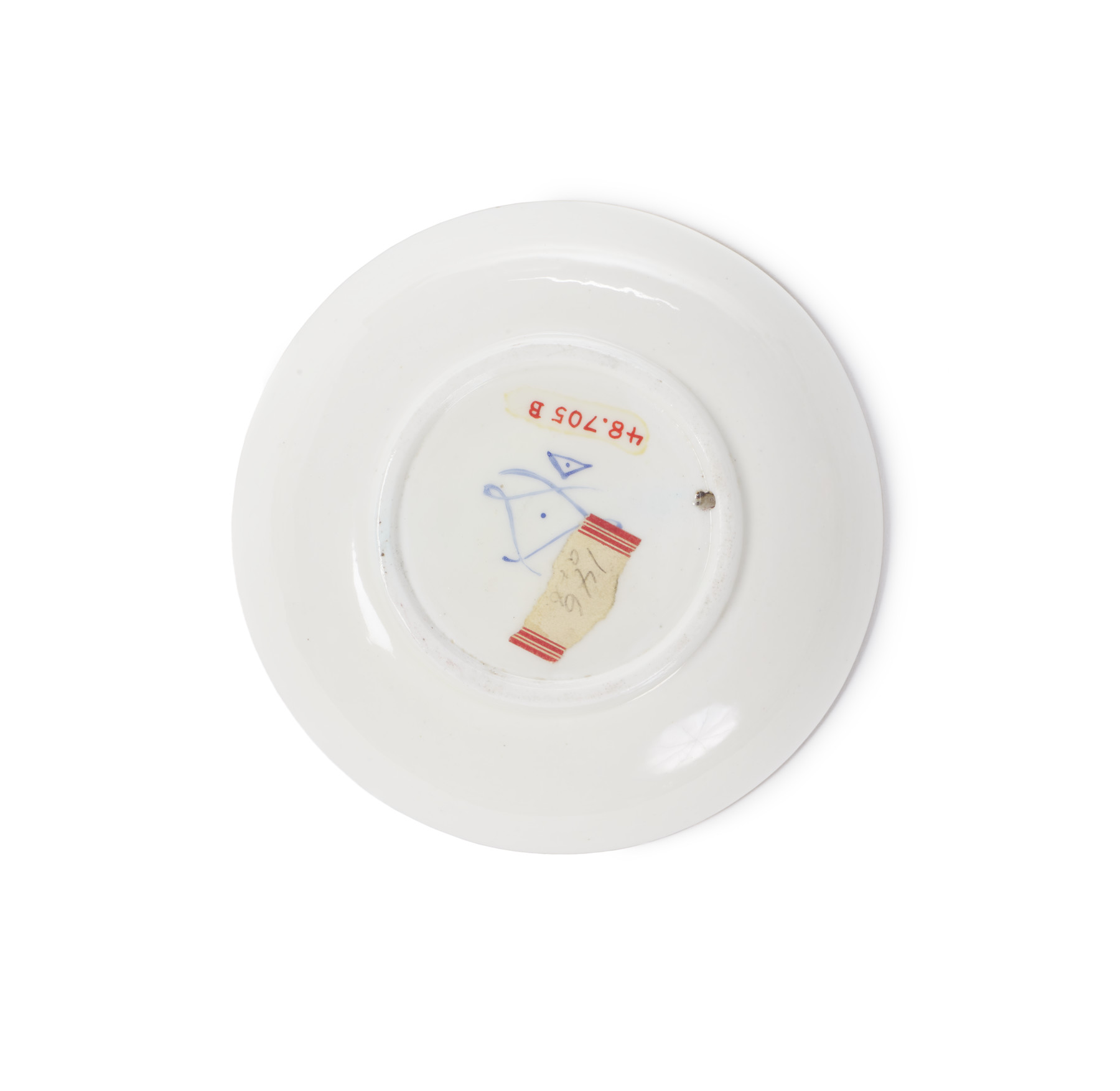
This cup and saucer is part of a tea service composed of a matching tray, teapot, sugar bowl, and milk jug. The set was likely created in England, or possibly France, in the early to mid-19th century but copies forms and decorations that were originated at Sèvres, the royal porcelain manufactory of France, in the 18th century. Sèvres porcelain was a sought-after luxury when it was new and demand among collectors became even greater after the French Revolution, when this often exquisitely made 18th-century porcelain also carried the mystique of the "lost" French aristocratic world. This cup and saucer was decorated to look like examples made by Sèvres in the 18th century, but the shape of the handle differs from those found on cup shapes made at the French factory. The marks on this set are also intended to fool; they copy the factory mark used at Sèvres in the 18th century, and a mark used by the 18th-century Sèvres decorator Charles Buteux.
Inscription
Provenance
Provenance (from the French provenir, 'to come from/forth') is the chronology of the ownership, custody, or location of a historical object. Learn more about provenance at the Walters.
Collection of William T. or Henry Walters, Baltimore, before 1909 [date and mode of acquisition unknown] [1]; by bequest to the Walters Art Museum, 1931.
[1]. This piece is visible in a photograph preserved in the Walters Art Museum Archives of a display of European porcelains in the Walters Art Gallery that was taken around the time Henry Walters opened the Gallery in 1909.
Geographies
France, Sèvres (Place of Origin)
Measurements
Overall Cup & Saucer (A & B) H: 2 1/4 × Diam: 4 1/2 in. (5.7 × 11.4 cm); Cup (A) H: 2 1/16 × W with Handle: 3 1/16 × D: 2 5/16 in. (5.2 × 7.7 × 5.9 cm); Saucer (B) H: 1 × Diam: 4 1/2 in. (2.6 × 11.4 cm).
Credit Line
Acquired before 1931
Accession Number
In libraries, galleries, museums, and archives, an accession number is a unique identifier assigned to each object in the collection.
In libraries, galleries, museums, and archives, an accession number is a unique identifier assigned to each object in the collection.
48.705